Most gas stations sell gasoline containing ethanol, but what does that actually mean for an engine? Does ethanol hurt fuel efficiency? Does it help keep the combustion chamber clean? And are those questions separate from the problems associated with leaving fuel in a small engine during storage?
There are plenty of strong opinions on ethanol. I wanted to compare the fuels directly, using an electronically fuel-injected generator for fuel efficiency, a see-through cylinder head to observe combustion, and a separate small engine to inspect carbon deposits.
Non-ethanol gasoline delivered better fuel efficiency in this test. Carbon buildup was a much closer comparison, with no clear advantage for either fuel during the short test. Here is how I checked the fuels, set up the comparisons, and reached those conclusions.
Key Takeaways
- Non-ethanol gasoline delivered about 4% better fuel efficiency in the generator comparison.
- The short-term engine test showed no clear carbon-deposit advantage for either fuel.
- Removing ethanol from gasoline will likely reduce the remaining fuel’s octane rating.
- Storage corrosion and fuel-system material compatibility require separate, longer-term testing.
First, Verify What Is Actually in the Gasoline
When buying ethanol-free gasoline, my approach is simple: trust, but verify. A comparison does not mean much unless the fuel labeled ethanol-free really is ethanol-free, and the E10 actually contains close to 10% ethanol.
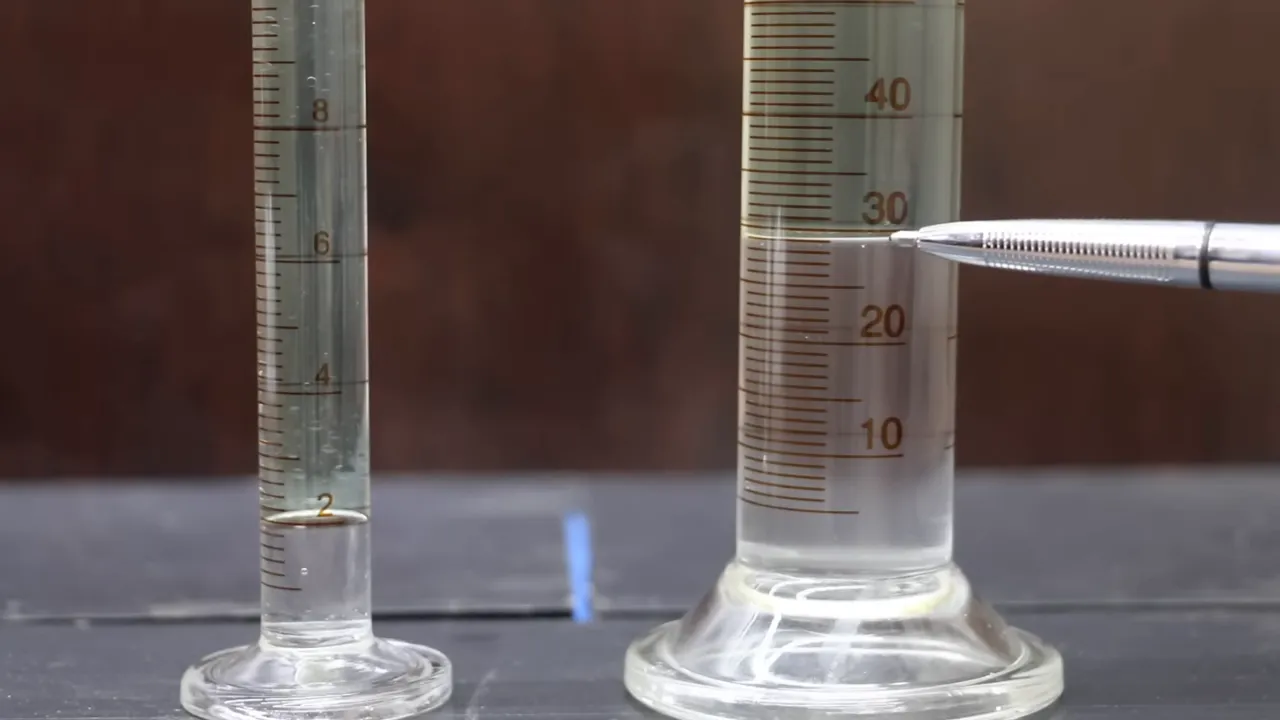
Ethanol is hydrophilic, meaning it is attracted to water. Adding water to a gasoline sample and mixing it draws ethanol into a separate water-and-alcohol layer. Once the layers settle, the increase in that lower layer provides an approximate check of ethanol content.
I used two different sample sizes:
- Ethanol-free sample: 10 mL of gasoline with 2 mL of water added. With no ethanol to extract, the lower layer should remain around 2 mL.
- E10 sample: 100 mL of gasoline with 20 mL of water added. If the gasoline contains about 10% ethanol, the lower layer should rise to approximately 30 mL.
After mixing the samples thoroughly, I allowed them to settle for about 15 minutes. The ethanol-free sample separated right at the 2 mL mark. The E10 sample separated just below 30 mL, indicating nearly 10% ethanol. Both fuels checked out closely enough to proceed with the comparison.
Removing Ethanol Also Changes the Fuel
The same separation principle can extract ethanol from gasoline: water draws the alcohol into a lower layer, which can then be separated from the gasoline above it. But that does not make the remaining gasoline equivalent to commercially purchased ethanol-free fuel.
Ethanol helps raise gasoline’s octane rating. Removing it will likely lower the octane of the remaining fuel. That is an important downside, and a reason not to treat this sample-verification demonstration as a recommendation to process your own fuel.
Observing Combustion Through a See-Through Cylinder Head
A small engine fitted with a see-through cylinder head made it possible to observe combustion with both fuels at different engine speeds.
The E10 combustion appeared orange and blue at low speed and mostly orange at midrange speed. With non-ethanol gasoline, the flame appeared blue at low speed, orange and blue at midrange speed, and mostly orange at high speed.
It is an interesting visual comparison, but flame appearance is not the same thing as a fuel-efficiency measurement or a carbon-deposit measurement. Those questions needed their own tests.
Testing Fuel Efficiency With a Fuel-Injected Generator
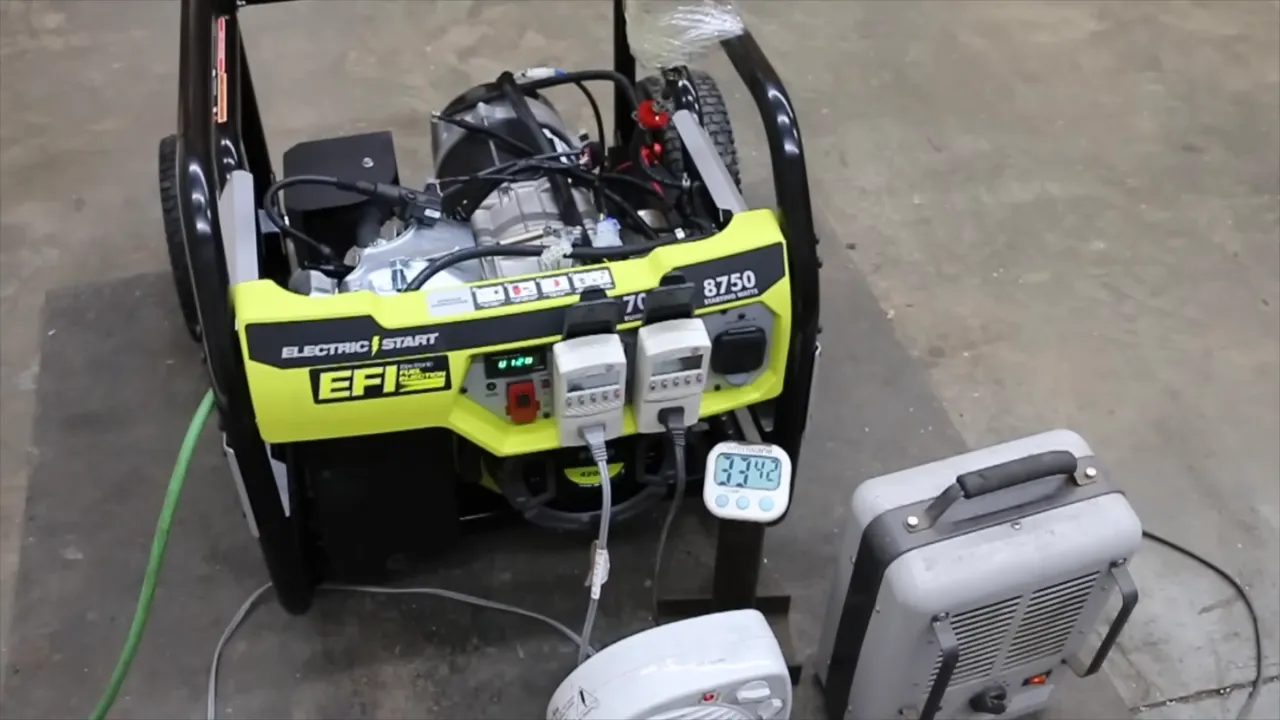
For the fuel-efficiency comparison, I purchased a new generator with a 420 cc engine and electronic fuel injection. Its fuel system includes an electric fuel pump, an oxygen sensor, and a fuel injector. I had already run it for several hours to complete the proper break-in process before testing.
The generator was purchased independently. This was not a sponsored test, and I had not owned it long enough to recommend the generator itself.
Keeping the Fuel Quantity and Electrical Load Comparable
I measured the fuel by volume rather than weight. Gasoline and ethanol do not weigh the same per unit of volume, so equal fuel weights would not provide equal volumes for this comparison.
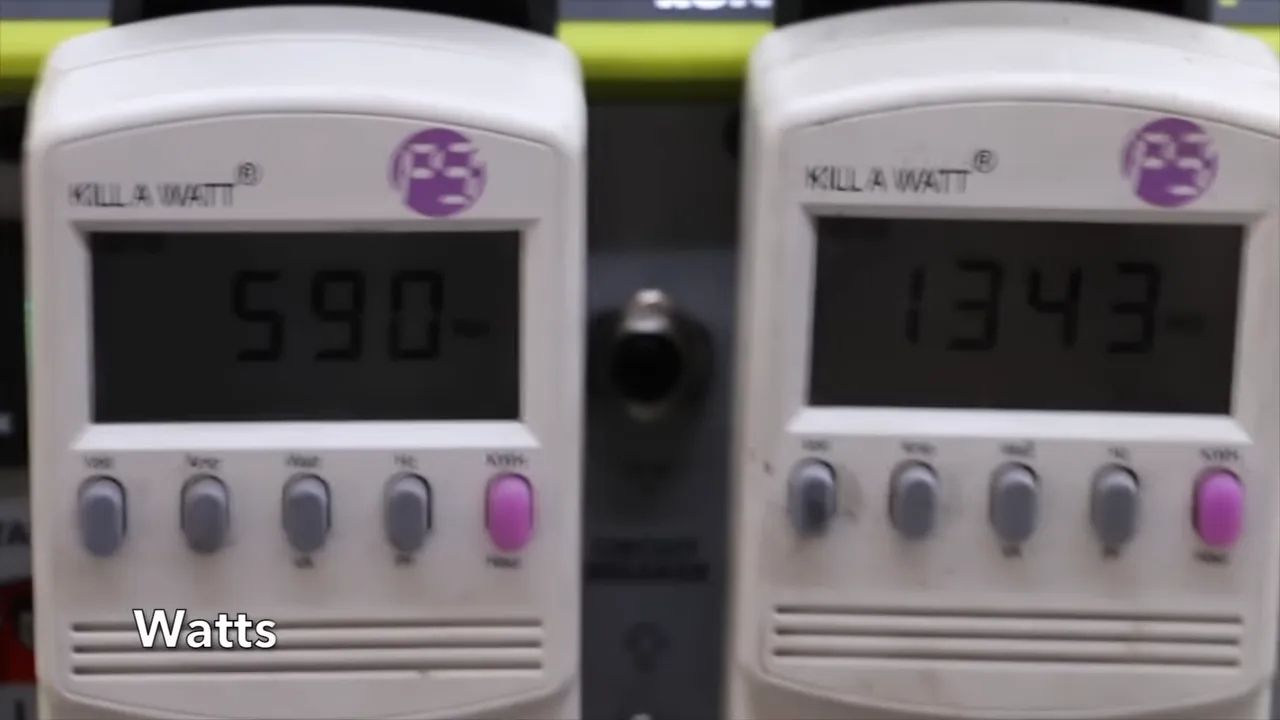
The generator powered two space heaters. Plug-in electricity meters allowed me to check that both heaters continued drawing power throughout the test, rather than simply assuming the load remained consistent. Together, their readings were around 1,900 watts.
The two fuels were both labeled 91 octane:
- Non-ethanol gasoline: Purchased from Hy-Vee.
- E10 gasoline: Purchased from Cenex and labeled as containing 10% ethanol.
I warmed the engine before beginning the measured comparison, then timed its operation under the heater load until it ran out of fuel. I also checked the electrical load during operation and used thermal imaging to compare engine temperatures.
The Result: Non-Ethanol Gasoline Ran Longer
The generator’s measured runtimes were:
- Non-ethanol gasoline: 35 minutes, 20 seconds.
- E10 gasoline: 33 minutes, 45 seconds.
That gave non-ethanol gasoline an additional 1 minute, 35 seconds of operation from the same measured fuel volume. I reported the overall fuel-efficiency advantage as about 4%.
The heater readings remained comparable, and the thermal checks did not show a significant engine-temperature difference between the fuels.
So, for this generator operating under this load, ethanol-free gasoline provided more runtime per unit of fuel volume. That is the result this test supports. It is not a guarantee that every engine and operating condition will produce exactly the same percentage difference.
Does Ethanol Reduce Carbon Buildup?
Better fuel efficiency is one question. A cleaner combustion chamber is another. To compare deposits, I used a separate small lawn mower engine, running non-ethanol gasoline first and ethanol-blended gasoline second.
The comparison included more than a glance at the spark plug. I checked compression and inspected the cylinder head, piston crown, valves, and spark plug after operation.
Non-Ethanol Fuel First
The engine’s initial compression reading was 95 psi. After running the non-ethanol fuel until the supply was exhausted, compression remained at 95 psi.
I then removed the cylinder head to inspect the combustion chamber and photographed the deposits on the head and piston. The spark plug was also inspected.
Cleaning and Resetting Before E10
Before switching fuels, I cleaned the combustion surfaces and installed a new spark plug and head gasket. Compression checked at 95 psi again. This reset mattered because running E10 over the deposits left by the first fuel would make the visual comparison much less useful.
After the ethanol-blended fuel run, I repeated the compression check and teardown. Compression showed no change, and thermal imaging indicated a similar engine temperature to the non-ethanol run.
The Result: No Clear Carbon-Cleaning Advantage
The side-by-side inspections showed deposits with both fuels. There were differences in appearance, but I did not see enough of a difference to call either fuel a clear winner for preventing carbon buildup.
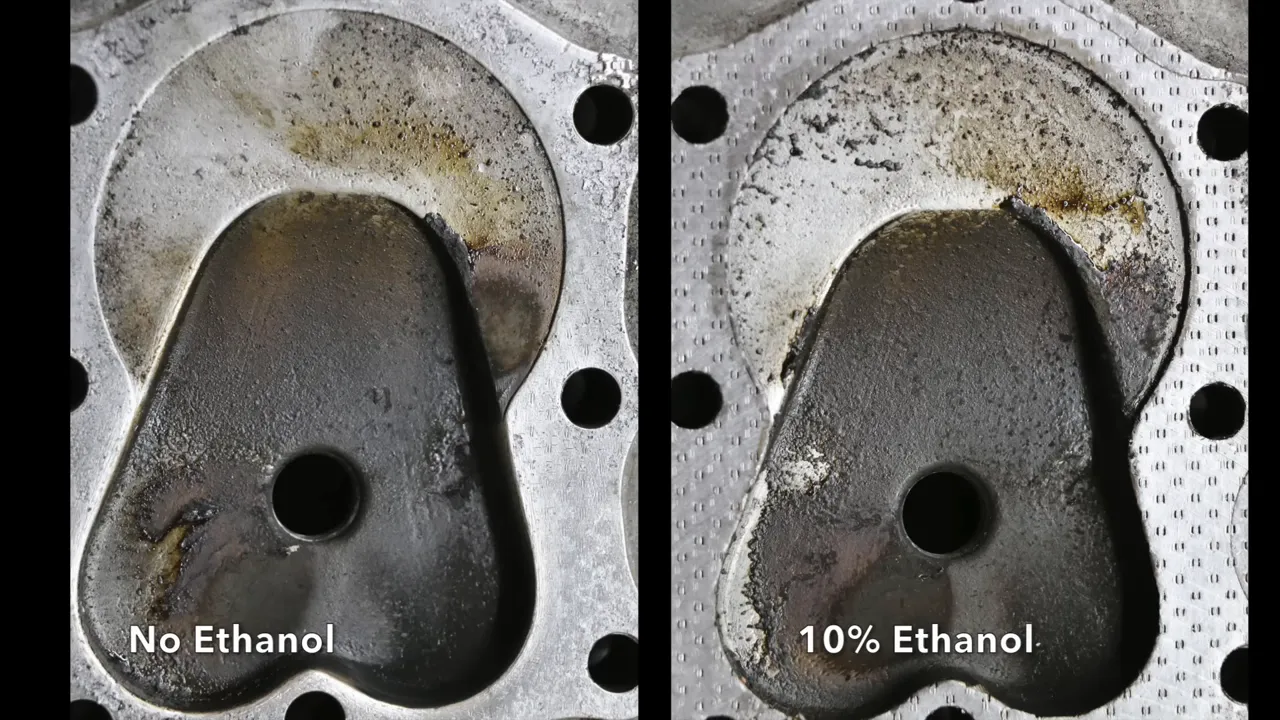
Some claim that ethanol-blended gasoline helps prevent carbon deposits. This test did not demonstrate that benefit. However, it was a short-term test. A limited run cannot settle what happens after hundreds of hours or years of operation.
The unchanged compression readings are useful supporting observations, but they do not establish long-term durability, either.
Storage and Fuel-System Materials Are Separate Questions
One of my biggest concerns with ethanol in small engines is what happens when the fuel is left sitting in the tank. Corrosion during storage is a different issue from fuel consumption while the engine is running, and neither the generator test nor the short deposit test measured long-term storage damage.
Rubber and plastic components deserve a separate comparison as well. I planned a follow-up test exposing materials commonly found in carburetors to ethanol and non-ethanol fuels. That testing was expected to take six to nine months.
Until that work is complete, these results should not be stretched into claims about how every carburetor seal, gasket, or plastic component will hold up over time.
So, Is Non-Ethanol Gasoline Really Better?
For fuel efficiency in this comparison, yes. The electronically fuel-injected generator ran longer on non-ethanol gasoline while supplying a comparable electrical load.
For preventing carbon buildup, there was no clear winner. Both fuels left deposits, and the short-term inspection did not show the carbon-cleaning advantage sometimes claimed for ethanol.
The useful conclusion is not that one fuel wins every category. Fuel efficiency, combustion deposits, storage corrosion, and material compatibility are separate questions. Non-ethanol gasoline won the measured runtime comparison. The longer-term questions need longer-term testing.


