A product doesn't have to be the most expensive to be the best choice. A $36 torque adapter can outperform tools costing hundreds of dollars, and an affordable drill bit set can keep cutting after much more expensive competition gives up. That's exactly why I test.
In my opinion, this year's top 10 is the strongest list I've put together. These products earned their spots through measured performance, useful features, and value. Some won their entire comparison. Others came remarkably close to the winner for a whole lot less money.
I purchased all the products and testing supplies. I don't accept manufacturer sponsorships or free products. Prices below are approximate prices at the time of testing, and the product links are affiliate links through which I may earn from qualifying purchases.
Quick Summary
- WORKPRO and COMOWARE delivered comparison-winning performance at approximately $36 each.
- Winix finished first in every measured air-cleaning category, including smoke and dust removal.
- MXMOONFREE approached Bolt Buster performance for less than half the price.
- EcoFlow combined the lowest measured fan noise with strong load handling and backup-power performance.
Table of Contents
- 1. MXMOONFREE Induction Heater: A Very Impressive Rust Fighter
- 2. Winix Air Purifier: First Place in Every Cleaning Test
- 3. WORKPRO Torque Adapter: Around $36 and Extremely Accurate
- 4. HF96 Thermal Imaging Camera: Affordable Accuracy and Useful Detail
- 5. GearWrench Mechanics Tool Set: Quality Tools and Fewer Missing Sizes
- 6. COMOWARE M42 Cobalt Drill Bits: A $36 Set That Drilled AR500
- 7. VIOFO Dash Cam: Readable Details in Daylight and Darkness
- 8. Cosori Air Fryer: Fast Cooking, Even Results, and Easy Cleanup
- 9. Fenix Rechargeable Flashlight: Strong Output Beyond the First Few Seconds
- 10. EcoFlow 1,800-Watt Power Station: Quiet, Efficient, and Capable Under Load
- What Earned These Products a Place?
1. MXMOONFREE Induction Heater: A Very Impressive Rust Fighter
The MXMOONFREE induction heater earned its place by delivering performance close to the $400 Bolt Buster for less than half the price. But before comparing heating speed, I wanted to answer a more practical question: how much difference does induction heating make on a badly rusted fastener?
From nearly 290 foot-pounds to under 50
I started with new nuts and bolts tightened to 100 foot-pounds, then applied an aggressive rusting agent every day for three months. Using a precision torque wrench calibration tester, the first two untreated fasteners required about 290 and 289.1 foot-pounds to break loose. That's a lot of torque!
Next, I applied Kroil penetrating oil to three rusted fasteners and gave it 30 minutes to work. Breakaway torque measured:
- 241.6 foot-pounds on the first fastener.
- 285 foot-pounds on the second.
- 265.9 foot-pounds on the third.
The penetrating oil helped, but the fasteners still required considerable force. Heating the nuts until they were glowing red, around 1,300°F, produced a much bigger improvement. The first two came loose at just 47.1 and 47.82 foot-pounds. Applying heat slightly longer on the third attempt brought that down to 36.8 foot-pounds.
I really didn't expect such a large difference. Those are results from this controlled test, not a recommendation to heat every installed fastener red hot.
Fast heating and good coils matter
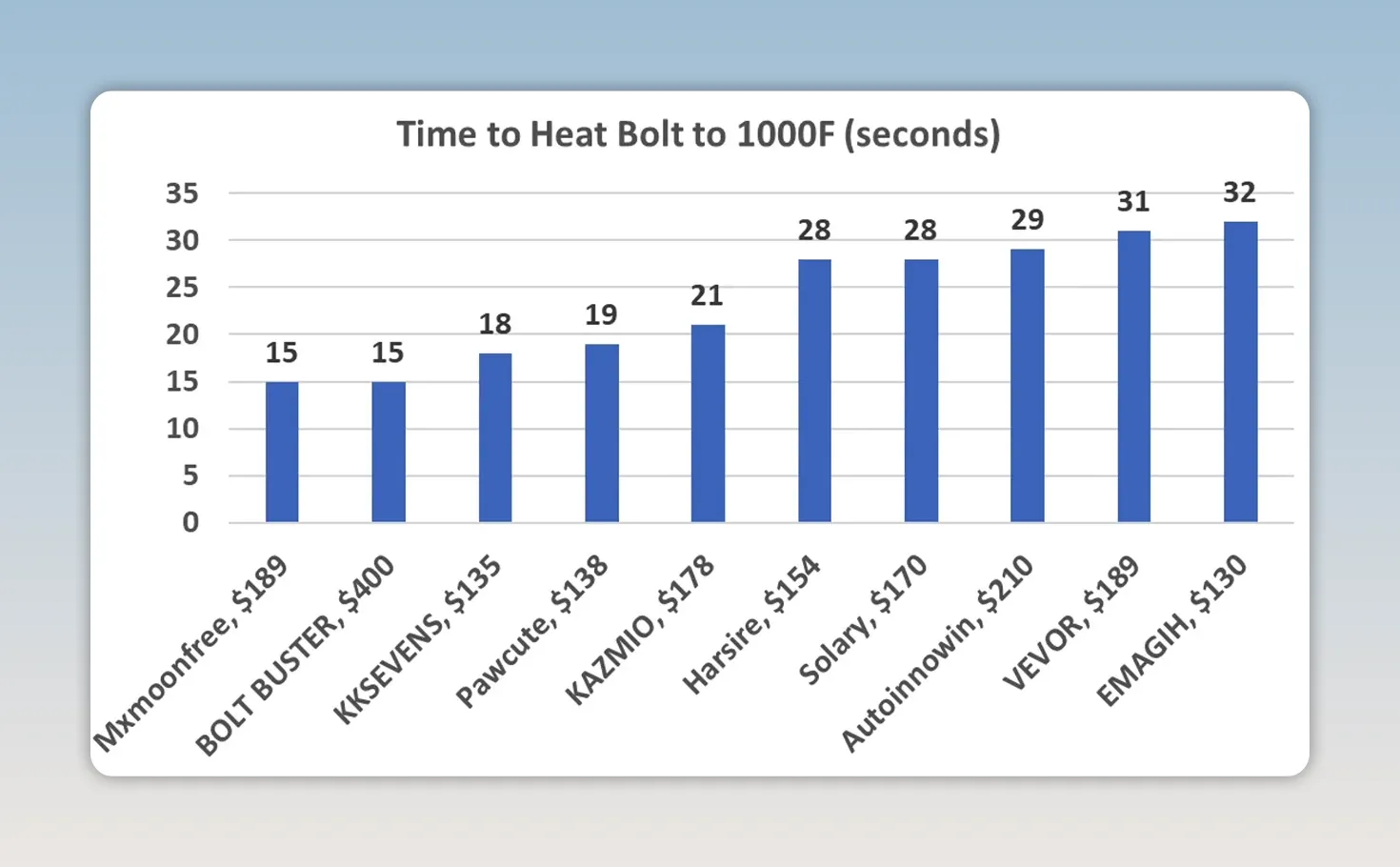
To compare heating speed, I measured how quickly each tool could bring the end of a bolt to 1,000°F. A good heat gun reached only 580°F after two minutes. A MAP gas torch reached the target in 43 seconds. The MXMOONFREE needed just 15 seconds, matching the much more expensive Bolt Buster.
In another test, I drilled into a bolt and inserted a low-temperature aluminum welding rod. The MXMOONFREE heated the bolt enough to melt the rod in 65 seconds, taking second place just 10 seconds behind the Bolt Buster.
Heating coils can make a substantial difference, so I also used the MXMOONFREE coils on all the heaters to better isolate the performance of the tools themselves. The MXMOONFREE reached the 1,300°F target in about 70 seconds, tying for second and finishing only 12 seconds behind the Bolt Buster.
The included coils had the second-largest wire diameter and tied with Bolt Buster for the best subjective rating for quality and variety. In the final torture test, the MXMOONFREE exceeded its 1,500-watt rating, ran for 15 minutes, and heated a 1.37-inch solid steel shaft until it glowed red.
My verdict: Bolt Buster was the best induction heater I tested, but the MXMOONFREE was almost as good for much less money. Its average finish of 1.6 makes it an outstanding value.
2. Winix Air Purifier: First Place in Every Cleaning Test
The Winix air purifier didn't just perform well for its price. It finished first in every air-cleaning category I tested, including against a $1,200 Dyson.
Indoor air quality is worth taking seriously. The EPA's indoor air quality resources provide useful background on household air pollutants. For this comparison, I focused on how effectively the purifiers removed smoke and dust under the same test conditions.
A smoke-filled box and a particle counter
I used a sealed test enclosure measuring 3 feet tall by 4 feet wide, with a sampling hose connected to a precision particle counter. After filling the enclosure with smoke containing millions of particles, I gave each purifier three minutes to clean the air.
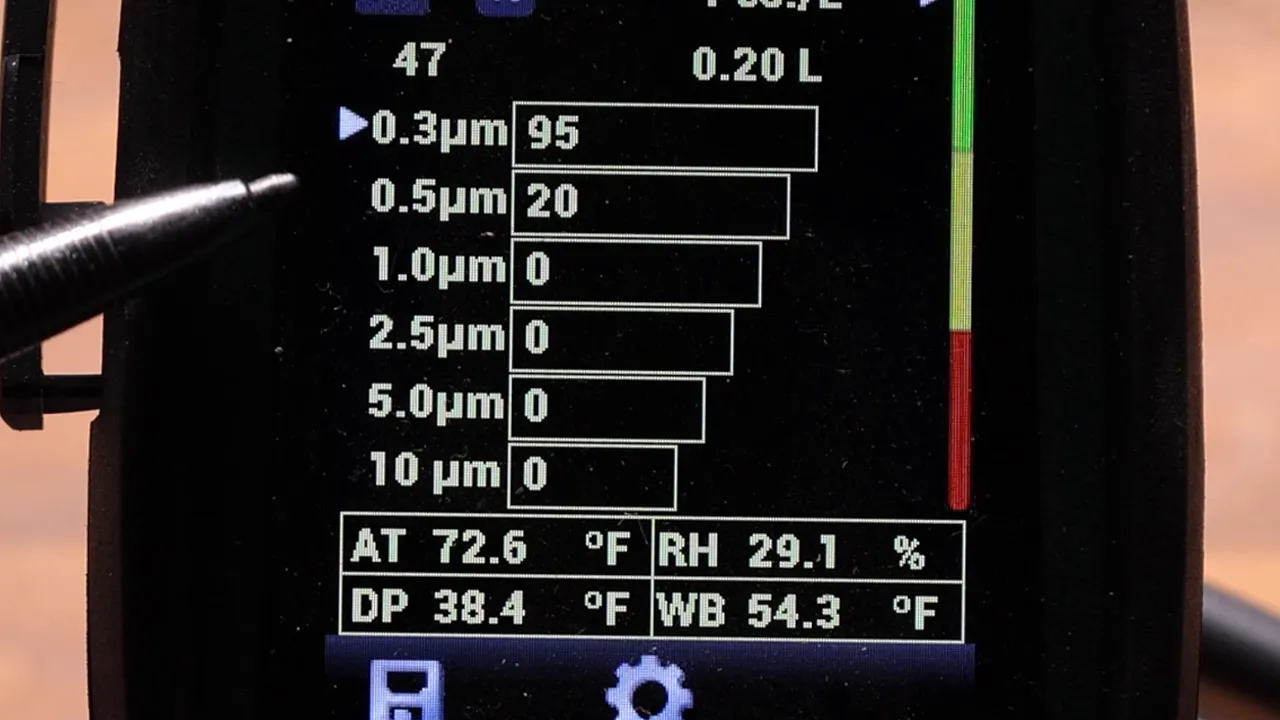
One purifier left more than four million smoke particles behind. The Winix reduced the measured count to just 95 in the 0.3-micron channel and 20 in the 0.5-micron channel.
For the dust test, I used an air duster to disperse carpet dust throughout the enclosure. With airflow around 270 cubic feet per minute, the Winix cleaned quickly and finished with no detectable dust particles in the measured channels.
The final challenge moved beyond the small enclosure. I burned toast in a 240-square-foot space, creating an initial particle count above four million. After 30 minutes, the Winix had removed approximately 3.9 million particles, earning another first-place finish.
My verdict: A perfect average finishing position of 1.0 is hard to beat. The Winix earned its spot through consistently excellent particle removal.
3. WORKPRO Torque Adapter: Around $36 and Extremely Accurate
The WORKPRO digital torque adapter is a great example of getting a lot without spending a lot. At around $36, it delivered excellent accuracy, fast electronics, and impressive consistency after repeated use.
I checked it against a precision torque wrench calibration tester at several torque levels:
- 25 foot-pounds: The first two attempts were within half a foot-pound, and the third was just over half a foot-pound off. It finished third, within 2% overall.
- 80 foot-pounds: All three attempts were very close to the target, earning first place.
- 145 foot-pounds: It again stayed close to the target and finished second for average accuracy.
Fast electronics help prevent overshooting
An accurate sensor isn't enough if the electronics react too slowly. To test response speed, I applied a quick bump of torque and compared each tool's recorded result with the calibration tester.
One budget adapter missed the sudden torque by around 65 foot-pounds. The WORKPRO stayed within about one foot-pound and finished second for speed and accuracy. Even the $800 Snap-on digital torque wrench missed by almost nine foot-pounds in that particular test.
That doesn't make the adapter a replacement for every torque wrench in every application. It does show that price alone doesn't guarantee fast electronics.
Still accurate after 500 cycles
New-tool accuracy is only part of the story, so I cycled each adapter 500 times and repeated the 80-foot-pound test. What a workout!
The WORKPRO remained very close to the target on all three attempts and finished first again. Several competing adapters were no longer within 2% accuracy.
My verdict: The WORKPRO won the comparison with an average finish of 2.2. For around $36, its combination of accuracy, response speed, and consistency is very impressive.
4. HF96 Thermal Imaging Camera: Affordable Accuracy and Useful Detail
At around $166, the HF96 thermal imaging camera beat several much more expensive products. It powered up in 7.74 seconds and performed well across cold, room-temperature, and hot targets.
- Concrete: Against a reference temperature of 64.9°F, it measured 65.5°F, taking second out of 12 brands.
- Hot steel: On a block near 440°F, it came within approximately 2°F of the reference temperature.
- Cold steel: It matched the 14°F target, earning first place in that test.
Some competing cameras missed the hot target by around 15°F or the cold target by more than 10°F. The HF96 was consistently much closer.
Image contrast is just as important as the number
A thermal camera needs to show useful temperature differences, not simply display a reading. On a wall with insulation gaps, the HF96 made cold areas, framing patterns, and even small nail-related temperature differences easy to distinguish. It tied for second in the wall-and-ceiling image-quality assessment.
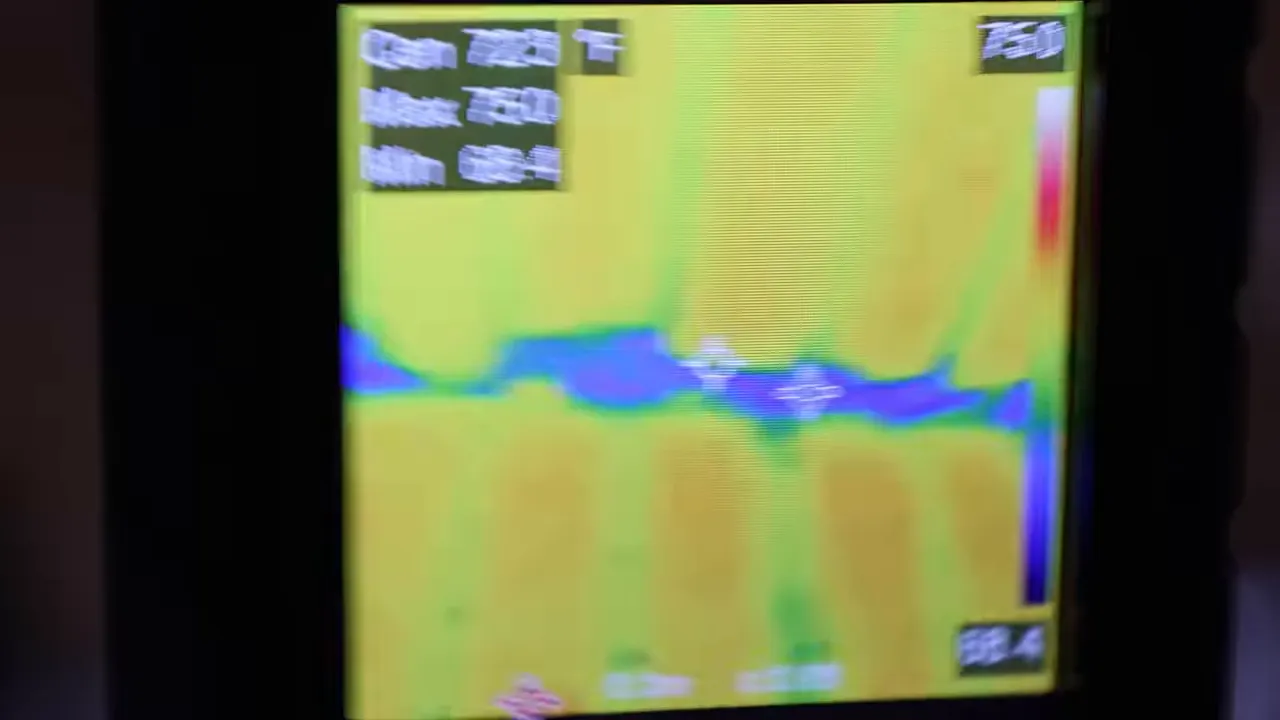
A space heater provided another contrast challenge. The HF96 produced a crisp image with useful color variation, clearly separating hotter and cooler areas where some other cameras showed much less detail.
My verdict: The HF96 finished first overall. Accurate temperature readings combined with good image detail make this a very strong value.
5. GearWrench Mechanics Tool Set: Quality Tools and Fewer Missing Sizes
A mechanics tool set needs more than a big piece count. The wrenches need to grip, the ratchets need to work in tight spaces, and the adapters need to survive real loads. The GearWrench tool set did well across all those areas.
Wrench grip and ratchet working arc
For open-end wrench performance, I measured how much torque each wrench could apply before rounding the test nut. Some struggled at 400 inch-pounds or less. GearWrench reached 523.6 inch-pounds on the first attempt and 511.5 on the second, finishing just behind Duratech in the scored comparison.
Ratchet tooth count gets plenty of attention, but I wanted to measure useful progress. With movement restricted to a 30-degree space, the GearWrench ratchet advanced about 17.5 degrees per working pass. It completed a full rotation in approximately 20.4 right-to-left passes, good enough for second place.
Strong ratchets, useful accessories, and good organization
The GearWrench set included a half-inch to three-eighths-inch drive adapter, something several competing kits didn't provide. Its adapter reached a failure load of 228.9 foot-pounds, placing second behind Husky.
The three-eighths-inch ratchet itself did even better. It reached 276.2 foot-pounds before failure, outlasting every competing ratchet in the comparison. Those are destructive test results, not recommended working loads.
Organization is subjective, but GearWrench tied with three other brands for the best rating. More importantly, it offered the most comprehensive selection of SAE and metric socket sizes, adapters, and wrenches among the sets tested.
My verdict: GearWrench won with an average finish of 3.4. Strong individual tools and broad size coverage make it a very useful complete set.
6. COMOWARE M42 Cobalt Drill Bits: A $36 Set That Drilled AR500
The COMOWARE drill bit set delivered one of the biggest value surprises. Some competing sets cost as much as $180. This one cost around $36 and won the comparison.
I began with half-inch mild steel in a drill press. A weighted wheel on the feed mechanism applied approximately 130 pounds of downward force, keeping the test more consistent than hand pressure alone.
COMOWARE drilled through in 19.65 seconds, placing third out of 14 brands. Some competitors needed around 30 seconds.
Spring steel exposed the differences
Leaf-spring steel is a tougher challenge. I increased the feed force to approximately 175 pounds, and the M42 cobalt COMOWARE bit completed the hole in 21.79 seconds. It finished second behind Milwaukee, and inspection under magnification showed that the cutting edges held up well.
I repeated the spring-steel challenge at 340 RPM to see how much cutting performance the bits had lost. A high-speed-steel DeWalt bit that completed the earlier hole stopped making progress. COMOWARE completed its second hole in 21.94 seconds, less than 1% slower than before, and again finished second.
M42 cobalt can offer good wear resistance, but brittleness and chipped cutting edges still matter. The microscope inspection showed the COMOWARE remained in very good condition after those spring-steel holes.
Only four bits completed the armor-plate test
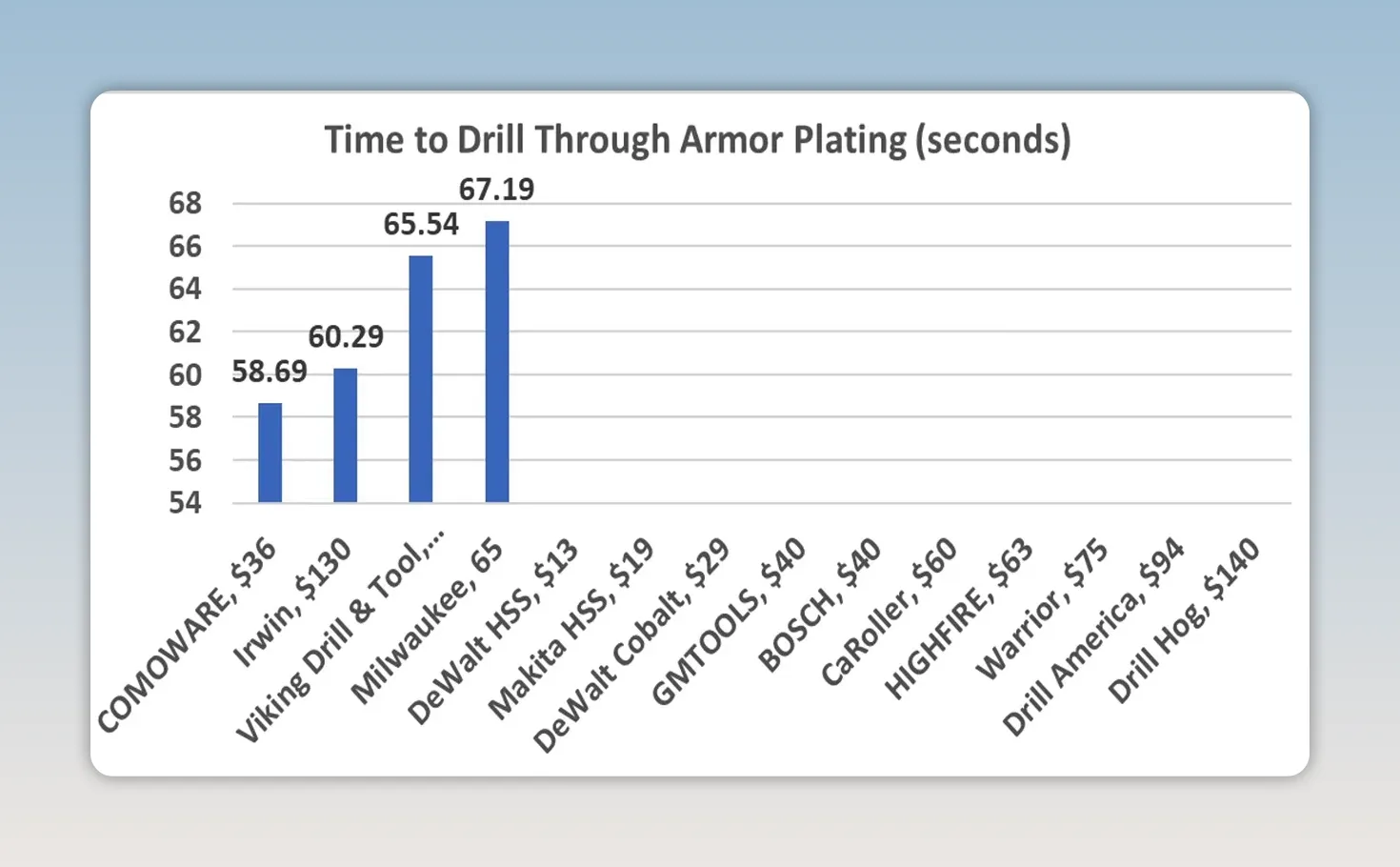
The final challenge was half-inch AR500 armor plate. Only four bits completed the hole, and COMOWARE finished first in less than a minute, just ahead of Irwin.
My verdict: With an average finish of 1.6, COMOWARE proved that an affordable drill bit set can deliver excellent cutting speed and durability.
7. VIOFO Dash Cam: Readable Details in Daylight and Darkness
A dash camera needs to capture useful details, not just a recognizable road scene. The VIOFO dash cam performed well in every category, from distance markers to illuminated signs at night.
- Distance markers: It captured a readable marker at 130 feet, tying with Thinkware and Garmin for first.
- License plates: The test vehicle's plate remained readable at 40 feet, earning a three-way tie for second.
- Moving daytime street signs: Both signs were readable, placing it in a two-way tie for second behind the more expensive Nextbase.
- Nighttime street signs: It produced a clear, readable image and tied for first with two other cameras.
- Illuminated signs at night: It finished first, preserving readable letters and numbers that some cameras washed out.
That last test was particularly revealing. Recording a bright sign against a dark background is difficult, and several cameras lost the information that mattered. VIOFO kept it readable.
My verdict: VIOFO won with the best average finish of 1.63. It earned that result through consistent performance rather than one standout test.
8. Cosori Air Fryer: Fast Cooking, Even Results, and Easy Cleanup
The Cosori air fryer combined good heat transfer with strong food results. An air fryer circulates hot air to speed cooking, so I started with a repeatable heat-transfer test before moving on to food.
Cosori heated a steel test piece to 200°F in 5 minutes and 58 seconds, taking second place among 10 brands.
Cookies, bacon, and chicken
Chocolate chip cookies were ready in six minutes. The Oster needed two additional minutes, and its cookies still appeared less evenly cooked through the center and bottom. Cosori didn't win the cookie category, but it received a good subjective rating of 2 on a scale where 1 was best.
Bacon took approximately six and a half minutes and cooked evenly. Cosori tied with four other brands for the best possible rating.
For chicken, Cosori produced moist results in 23 minutes and tied with five other brands for the top rating. These are the cooking times observed in my comparison, not universal cooking instructions.
Cleanup matters after the cooking is finished. Cosori was very easy to clean and received the best possible rating in that category as well.
My verdict: Cosori finished first overall with an average finish of 3.1. Its combination of speed, cooking quality, price, and easy cleanup earned it a spot.
9. Fenix Rechargeable Flashlight: Strong Output Beyond the First Few Seconds
The Fenix rechargeable flashlight costs around $135, so it isn't a budget purchase. However, it delivered strong measured output, good sustained brightness, and the highest measured battery capacity in the comparison.
I used an integrating sphere to measure total light output on the brightest setting:
- At startup: Just over 4,700 lumens.
- After 30 seconds: 4,027 lumens, earning third place.
- After 15 minutes: 1,342 lumens, earning a close second place.
The sustained result matters. A very large startup number doesn't tell you how much useful light will remain after the flashlight has been running for a while.
A more demanding look at beam distance
For throw distance, I used the brightest part of the beam to determine intensity in candela. Advertised throw distances commonly use a threshold of only 0.25 lux, which is very little illumination.
I used a more demanding 10-lux target to compare useful illumination at a distance. Fenix finished third in that calculation.
Finally, a battery capacity test put Fenix in first place for measured capacity.
My verdict: Fenix won overall with an average finish of 3.5. It's expensive, but its sustained output and battery performance make it an impressive flashlight.
10. EcoFlow 1,800-Watt Power Station: Quiet, Efficient, and Capable Under Load
The EcoFlow 1,800-watt power station earned its place by doing well across noise, load handling, efficiency, and backup-power testing.
Its cooling fan measured just 37.8 decibels under the test conditions, making it the quietest power station in the comparison. With three halogen lights connected, its displayed power consumption also closely matched the external meter.
Starting a compressor already at 90 PSI
An air compressor restarting against pressure is a much tougher challenge than a simple lighting load. EcoFlow started the compressor with its tank already at 90 PSI while also powering an additional halogen light.
That combination brought it to approximately its 1,800-watt rating, and it handled the load successfully.
Usable energy and backup-power performance
Power stations lose some energy through their electronics, wiring, and cooling systems. To compare usable output against rated battery energy, I ran three halogen lights and measured the delivered energy.
EcoFlow achieved 87.9% efficiency, taking second place.
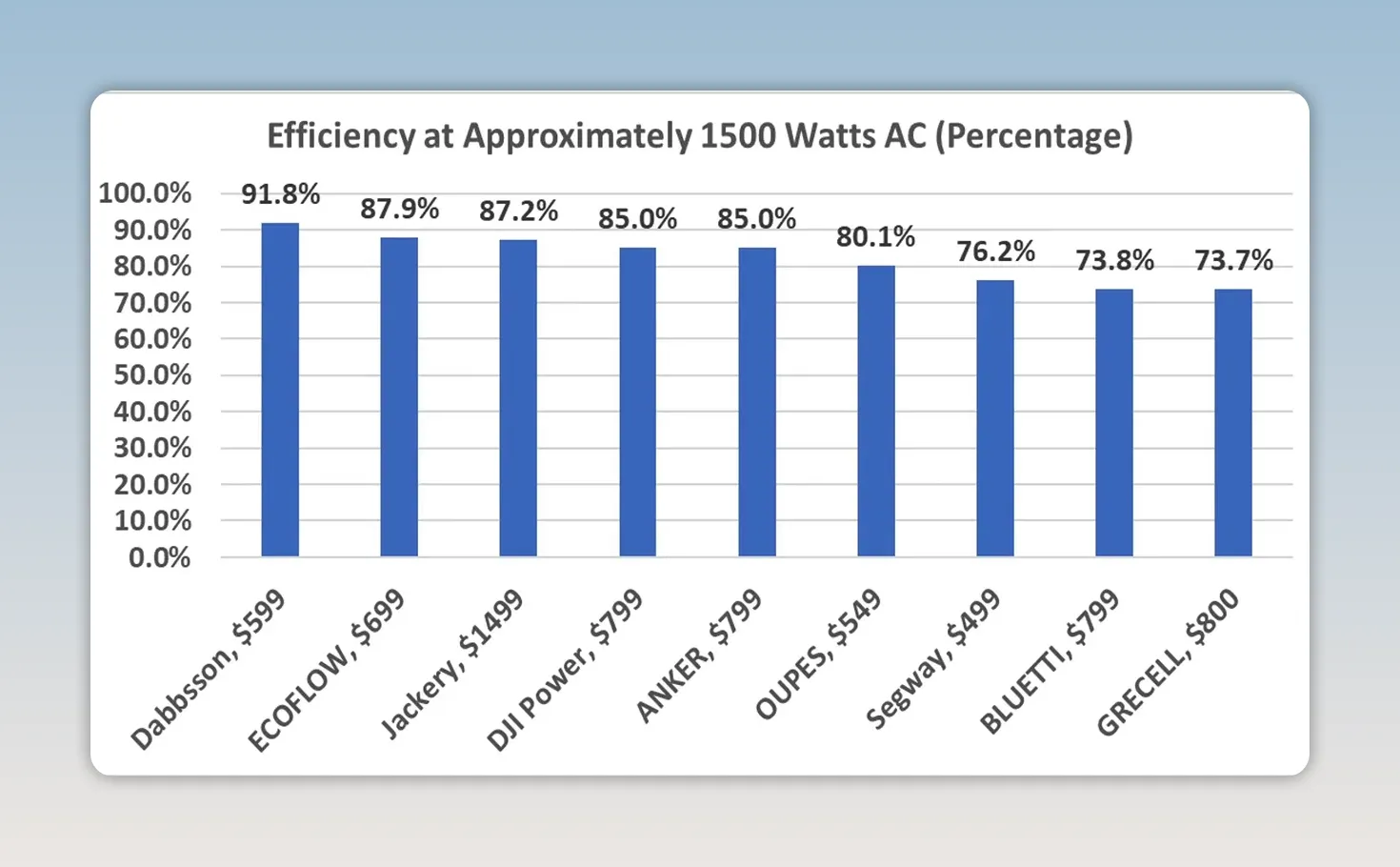
I also tested whether each unit could keep a computer running when incoming power was interrupted. Some power stations allowed the computer to shut down. EcoFlow kept the test computer running through the interruption.
That result applies to the computer and conditions tested, rather than guaranteeing compatibility with every computer or sensitive device.
My verdict: When I converted the results into letter grades, EcoFlow earned A's in every category. Its build quality, quiet operation, and load-handling performance made it a strong all-around choice.
What Earned These Products a Place?
The common thread isn't a particular brand or price range. It's performance backed by testing, with value taken into account.
The MXMOONFREE came close to a much more expensive induction heater. WORKPRO stayed accurate after hundreds of cycles. COMOWARE kept drilling through increasingly difficult steel. Winix, HF96, GearWrench, VIOFO, Cosori, Fenix, and EcoFlow each delivered strong results across the tests that mattered in their category.
You don't always have to spend a lot to get a lot. And when a product does cost more, it should have the performance to justify it.
Of course, Project Farm merchandise deserves an honorable mention. Shirts, hats, mugs, and other items are available in the merchandise store.
|