How long can a new engine survive with steel shavings, sand, valve grinding compound, aluminum anti-seize, or sugar in its oil? Some of these contaminants took surprisingly long to stop an engine. One turned a brand-new engine into scrap in just over two minutes.
I bought five new 212 cc Harbor Freight Predator engines to find out what would happen. The run times were interesting, but the teardowns told the real story: deeply scored cylinders, worn connecting rods, and piston rings that were completely stuck.
These are deliberately extreme contamination tests, not recommended uses for any of these products. Anti-seize and valve grinding compound have legitimate jobs in the shop. Inside a running engine’s crankcase is not one of them.
Key Takeaways
- Valve grinding compound stopped a new engine in just 2 minutes, 7 seconds.
- Steel shavings and sand caused extensive internal damage despite much longer run times.
- Anti-seize and sugar did not cause engine failure during their standalone test periods.
- Keeping contamination out of engine oil is the central maintenance lesson from these extreme tests.
Table of Contents
- The Test Setup: Five New Engines, the Same Motor Oil
- Steel Shavings: Nearly 100 Minutes of Increasingly Bad News
- Dirt and Sand: More Than Two Hours, but Plenty of Damage
- Valve Grinding Compound: Engine Failure in 2 Minutes, 7 Seconds
- Aluminum Anti-Seize: Nearly Two Hours Without Failure
- Sugar in Engine Oil: Still Running, but Harder to Pull After Cooling
- Which Substance Caused the Most Engine Damage?
- The Real Lesson: Keep Contamination Out of the Oil
The Test Setup: Five New Engines, the Same Motor Oil
I chose the Predator because it has been a pretty durable small engine in my experience. It also has a cast iron cylinder, which should give abrasive contamination something substantial to work against.
Each engine was mounted to a test stand and received Shell Rotella T6 15W-40 full synthetic motor oil. I’ve tested this oil before, and it performs very well. About 15 ounces left some room for the contamination being added.
Before testing, I inspected the new spark plugs and checked compression. Most engines measured close to 45 psi, with the anti-seize engine closer to 50 psi. Those readings reflect the Predator’s built-in compression release, which makes the engine easier to pull over. They should not be interpreted like compression readings from an engine without that feature.
I also measured the force needed to turn over a new engine with the recoil starter: about 22 pounds. Tape on the output shaft provided a simple visual indication of rotation.
There’s a practical reason for testing contamination. Used engine oil can contain iron, aluminum, and other wear metals. Dirt can get into an engine through a compromised air filter. An oil analysis report helps identify those materials; services such as Blackstone Laboratories provide additional background on used-oil testing.
However, a teaspoon of steel shavings is an extreme case, not a realistic substitute for normal wear-metal concentrations. These tests demonstrate damage under severe contamination. They do not establish how many miles an automotive engine can safely go between oil changes.
Steel Shavings: Nearly 100 Minutes of Increasingly Bad News
The first engine received just over a teaspoon of steel shavings, although not every shaving made it into the crankcase. That is a tremendous amount of metal contamination for a small engine.
The Predator started on the first attempt and initially sounded great. No unusual ticking, no knocking, and no smoke. That didn’t last.
- About 11 minutes: A small knock developed, but there was still no exhaust smoke.
- Just over 22 minutes: The knocking became more intense.
- About 35 minutes: There was substantial valvetrain noise and what sounded like connecting rod knock.
- About 70 minutes: The engine began smoking badly.
- Nearly 100 minutes: The engine finally stopped.
The engine started with a full tank of fuel. During the test, I disconnected the low-oil shutoff so a falling oil level would not end the experiment early. That was strictly part of the destructive test, not a maintenance recommendation.
What the teardown revealed
The spark plug had accumulated carbon, and metal was scattered throughout the engine. The valves were out of adjustment, the drained oil was extremely dark, and a magnet collected plenty of metal from it.
The cylinder head and exhaust valve carried substantial deposits. More importantly, the cylinder wall had deep grooves. Oil was getting past the piston rings, which explained the heavy exhaust smoke.
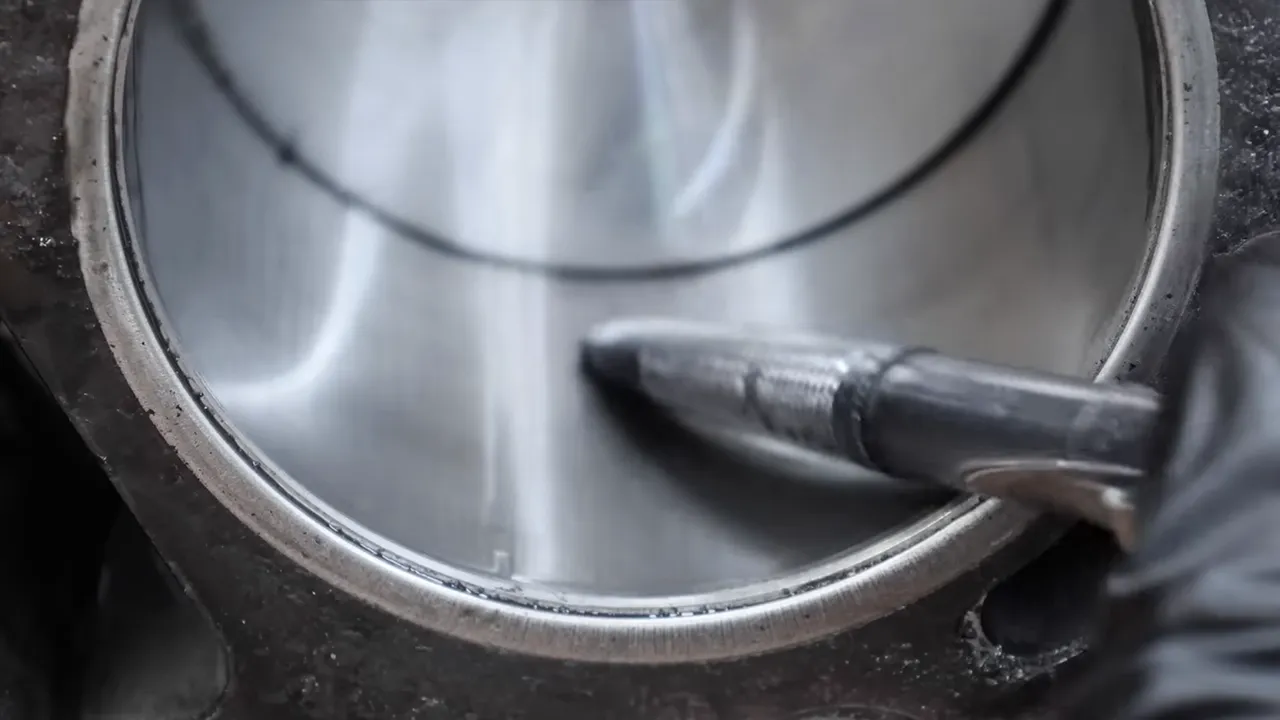
The damage continued through the lower end:
- The camshaft showed visible abrasive wear.
- The connecting rod cap and rod big end were badly damaged.
- The piston ring and crankshaft had deep scratches.
- The oil-splashing arm on the connecting rod cap had broken off.
That broken arm mattered. Its job is to splash oil around the engine. I attributed the later reduction in smoke to the loss of that oil-splashing action, not to the engine somehow getting healthier.
The steel shavings destroyed the engine, but it lasted much longer than I expected.
Dirt and Sand: More Than Two Hours, but Plenty of Damage
Silicon in an oil analysis can have several sources, including dirt or sand. A damaged air filter, or operating without one, creates an opportunity for that contamination to enter an engine.
For the second test, I added dirt and sand directly to the oil. Most of it made it into the crankcase. With baseline compression around 45 psi, this Predator also started on the first pull.
It sounded healthy at first, but just under 12 minutes into the test, the contamination was already taking a toll. By 22 minutes, the engine was noticeably louder. Noise continued increasing at 33 and 45 minutes, still without visible exhaust smoke.
At about 50 minutes, it started smoking heavily. By 65 minutes, this thing was putting out more smoke than a politician on the campaign trail. The shop certainly wasn’t having a mosquito problem.
Even so, the engine kept going. It passed the steel-shavings engine’s run time and was still running at 102 minutes. Around 110 minutes, it was very loud. Later, smoke decreased as much of the crankcase oil burned away.
The dirt-and-sand engine finally stopped just over two hours into the test. That was impressive survival, but survival and good condition are two very different things.
Fine abrasive wear instead of deep gouges
The drained oil contained plenty of aluminum glitter and felt very gritty. The engine had substantial internal looseness, and the valve lash was about three times what it should have been.
The exhaust valve had heavy, baked-on carbon deposits, while the intake valve stem was comparatively clean. The cylinder wall and camshaft actually looked better than those from the steel-shavings engine.
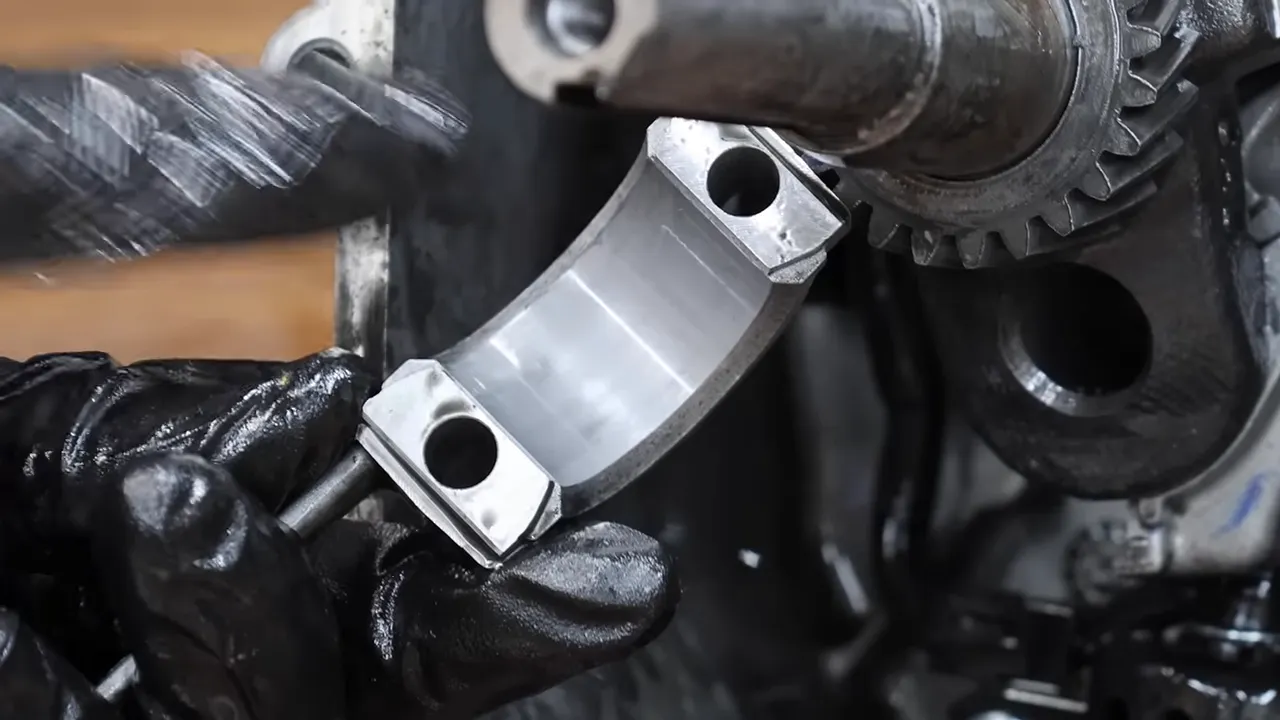
The connecting rod cap had a lot of wear but lacked the same deep grooves. The fine dirt appeared to mix with the oil and steadily sand metal away. The piston was scored, the rod big end was worn, and the crankshaft was damaged less severely than in the steel-shavings test.
Sand took longer to stop this engine, but it was still very destructive.
Valve Grinding Compound: Engine Failure in 2 Minutes, 7 Seconds
Valve grinding compound is designed to remove material. The product tested listed water, silicon carbide, and ethylene glycol, and its stated uses included removing surface defects, burrs, and corrosion during grinding operations.
It felt gritty, a little like abrasive hand cleaner. That might be useful in its intended application. As an engine-oil additive, it was about to become liquid piranha.
I measured close to one ounce and estimated that about 90 percent made it into the engine. Starting compression was again close to 45 psi.
The Predator started on the second pull. Initially, it seemed fine. Then it began vibrating enough to move the test stand, so I added concrete blocks to help keep the stand in place.
After only about a minute, it developed what I jokingly called the dreaded Hemi tick. Really, it was an engine knock, and it became intense very quickly. The vibration worsened, and it sounded as though the piston might be contacting the valves. The teardown, rather than the sound alone, would show the actual damage.
The engine stopped after just 2 minutes and 7 seconds. It would not restart after a short wait, and it still showed no signs of life with starting fluid after cooling completely.
A clean-looking top end hid catastrophic wear
After such a short run, the spark plug still looked pretty good. Valve lash seemed normal, the top end was fairly clean, and this was the cleanest combustion chamber of the engines torn down so far. Even the dark oil did not feel especially gritty.
None of that meant the engine was in decent shape.
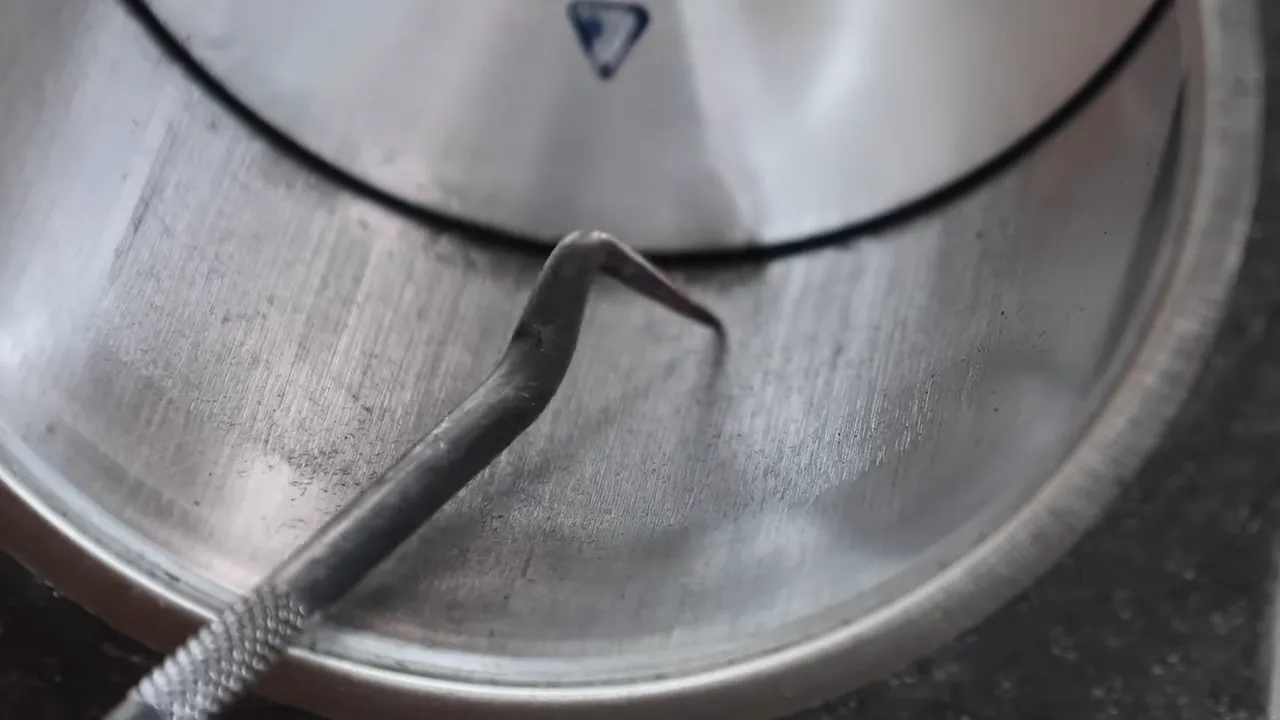
The cylinder was far more damaged than either of the previous two. The camshaft had substantial wear, the connecting rod cap was destroyed, and the rod big end was badly scored.
The piston was chewed up, and the piston rings were completely seized in their grooves. Grinding compound was packed around them, and they would not move freely. Rings in that condition cannot do their sealing job properly, providing a clear explanation for compression loss.
Without a doubt, this was the most destructive substance tested.
Aluminum Anti-Seize: Nearly Two Hours Without Failure
Aluminum anti-seize is intended to prevent seizing, galling, and corrosion of metal parts. It contains very fine aluminum, and there is already plenty of cast aluminum inside a Predator engine. So, how would the engine handle it mixed into the oil?
This new engine measured close to 50 psi before testing. Most of the anti-seize made it into the crankcase, although the stuff was very messy to handle.
Another first-pull start, and another healthy-sounding Predator.
- 11 minutes: There was only a very slight increase in noise.
- 32 minutes: It remained relatively quiet compared with the earlier tests.
- Just over one hour: It was a little louder, but not dramatically so.
- 118 minutes: There was no visible exhaust smoke, and it still sounded pretty good.
At this point, anti-seize was clearly much less immediately destructive than steel shavings, sand, or valve grinding compound. However, the engine had not been run to failure on anti-seize alone.
Could anti-seize keep grinding compound from seizing the rings?
I changed the experiment by adding valve grinding compound to the engine that had already run nearly two hours with anti-seize.
Within about 20 seconds, it sounded terrible. Soon it sounded as though it was losing compression. It stopped just 39.4 seconds after the grinding compound was introduced.
That is not a clean, equal-dose comparison with the fresh grinding-compound engine. This engine had already accumulated run time, and the additional compound was not measured. It did answer the practical question, though: the anti-seize did not prevent the rings from sticking.
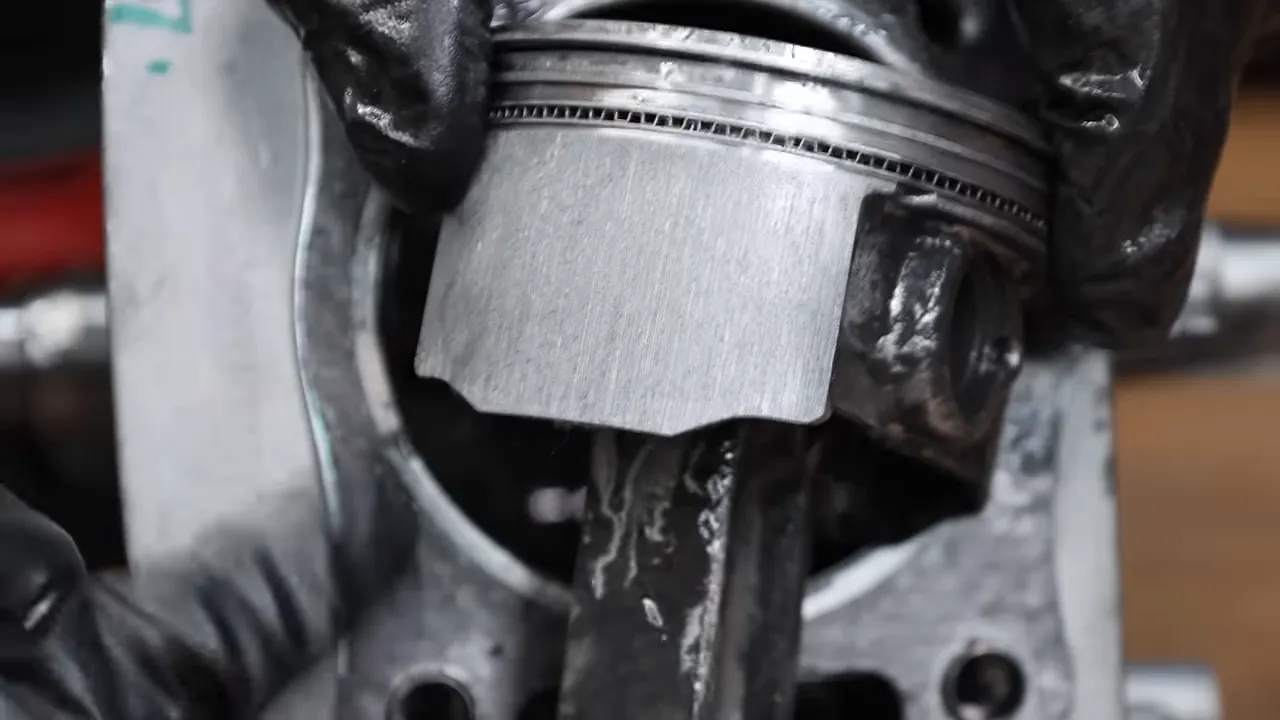
During teardown, the oil was very thick and glittery. Anti-seize coated the top end and had baked onto the spark plug and around the valves. The valvetrain was not too bad, and exhaust-valve deposits were less severe than in the sand and steel tests.
Elsewhere, there was extensive cylinder and piston damage, stuck rings, and scoring on the rod big end. The rod cap was worn, although not the worst of the group. The harder crankshaft showed relatively little damage compared with the connecting rod.
Because this teardown followed exposure to both substances, it cannot isolate how much wear came from anti-seize alone.
Sugar in Engine Oil: Still Running, but Harder to Pull After Cooling
Sugar is not something that normally finds its way into engine oil. This was a separate curiosity test, and it did not produce the immediate failure some might expect.
The fifth engine started with nearly a full crankcase of oil and compression close to 45 psi. After adding sugar, it fired on the first pull and sounded normal.
At 23 minutes, it still sounded good. At 32 minutes, I shut it down and added more sugar. After restarting, it continued running normally through 45 minutes and beyond an hour.
I then shut the engine off and let it cool overnight. The next day’s pull-force measurement revealed a change:
- New-engine baseline: About 22 pounds of pull force.
- Sugar engine after cooling overnight: 31.4 pounds of pull force.
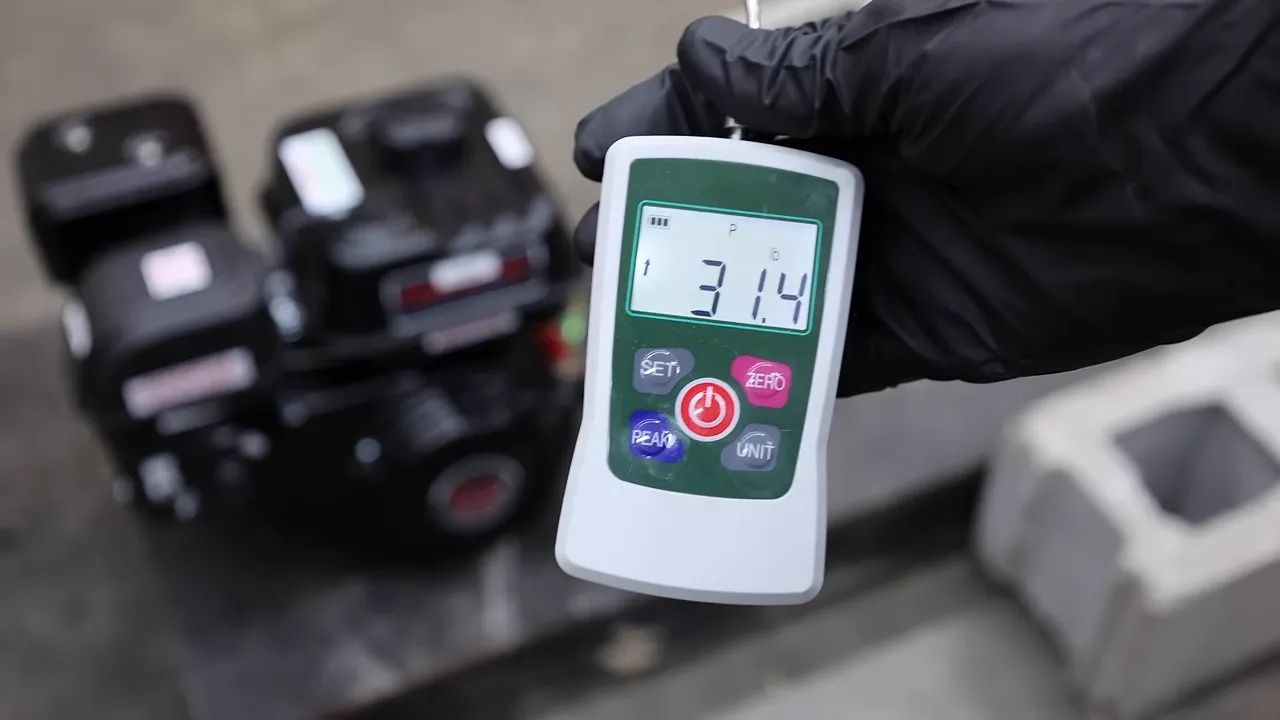
Would it restart? It took two attempts, but it did start and sounded normal again.
Sugar did not stop the engine during the test. The higher pull force was a measurable change, but without a teardown or a longer test, it would be going too far to claim a particular internal failure or call sugar harmless.
Which Substance Caused the Most Engine Damage?
For rapid destruction, valve grinding compound was in a class of its own. Here is how the tests finished:
- Valve grinding compound: Stopped a new engine in 2 minutes, 7 seconds, with severe abrasive wear and seized piston rings.
- Steel shavings: Stopped the engine near 100 minutes, leaving deep scoring and extensive internal damage.
- Dirt and sand: Stopped the engine just over two hours into the test, with widespread wear and heavy oil burning.
- Aluminum anti-seize: The engine was still running at 118 minutes before the experiment changed.
- Sugar: The engine ran for over an hour and restarted after cooling overnight, although pull force increased.
The anti-seize engine’s additional 39.4-second run after receiving grinding compound reinforces just how destructive that abrasive was. It does not establish an anti-seize-only failure time.
The Real Lesson: Keep Contamination Out of the Oil
Why put five new engines through all this? Because good motor oil cannot make contamination disappear.
I’m not a fan of treating 10,000-mile oil changes as a blanket rule. An oil filter cannot capture every bit of contamination, and air filters do not stop absolutely everything either. With a modern engine oil, I consider contamination a major threat, not just the condition of the oil itself.
These deliberately extreme small-engine tests do not determine the correct oil-change interval for a particular car or truck. They do make the consequences of abrasive contamination very easy to see.
Stay on top of oil changes and air-filter maintenance. Keeping dirt out and removing contaminated oil are far less expensive than dealing with scored cylinders and worn connecting rods. In my opinion, that attention to maintenance is a big part of giving an engine a chance at 300,000 miles.


