A collection of power tools can cost thousands of dollars. So, why not buy a drill and a bunch of attachments instead? Some promise to turn a cordless drill into a chainsaw, reciprocating saw, water pump, or even a vegetation cutter. That sounds like a huge opportunity to save money, but only if the attachments actually work.
I purchased all the attachments for this comparison and tested them on real jobs. Where practical, I also compared them with dedicated tools. Some were surprisingly good. Others broke, wasted time, or were downright dangerous.
The big finding: a useful drill attachment does not have to be expensive, but a low price cannot make up for a bad design. All prices below are what I paid for the tested products, not guaranteed current prices.
Quick Summary
- DeWalt’s pipe cutters and metal shear delivered useful performance without needing separate powered tools.
- The vegetation cutter, circular saw, and reciprocating saw had serious safety or reliability problems.
- Simple attachments such as strap winders, brushes, and deburring tools offered strong practical value.
- The water pump worked well only after replacing its collapsing suction hose.
Table of Contents
- Saw Attachments: Big Promises, Very Different Results
- Pipe-Cutting and Metal-Shear Attachments That Earned Their Keep
- Outdoor and Storage Attachments: Two Winners and One to Avoid
- Fastening and Tight-Space Adapters: Look Beyond the First Successful Attempt
- Deburring, Rust Removal, and Sanding Attachments
- Pumping and Cleaning: Cheap Attachments With Practical Uses
- Which Drill Attachments Would I Actually Keep?
Saw Attachments: Big Promises, Very Different Results
$28 Circular Saw Attachment: Rough Cuts and Serious Design Problems
The circular saw attachment promises precision and stability, with advertised applications including wood, aluminum plate, PVC tubing, and ceramic tile. Assembly takes about five to ten minutes. Unfortunately, putting it together reveals a couple of pretty big problems.
There is no lower blade guard, and there is no way to precisely center the blade on the shaft. Neither issue inspires confidence.
With the Milwaukee drill in high gear, the blade still did not have enough speed to produce a smooth cut. Blade quality also appeared to be a problem. It took almost 11 seconds to get through the board, and the result was crooked and very rough.
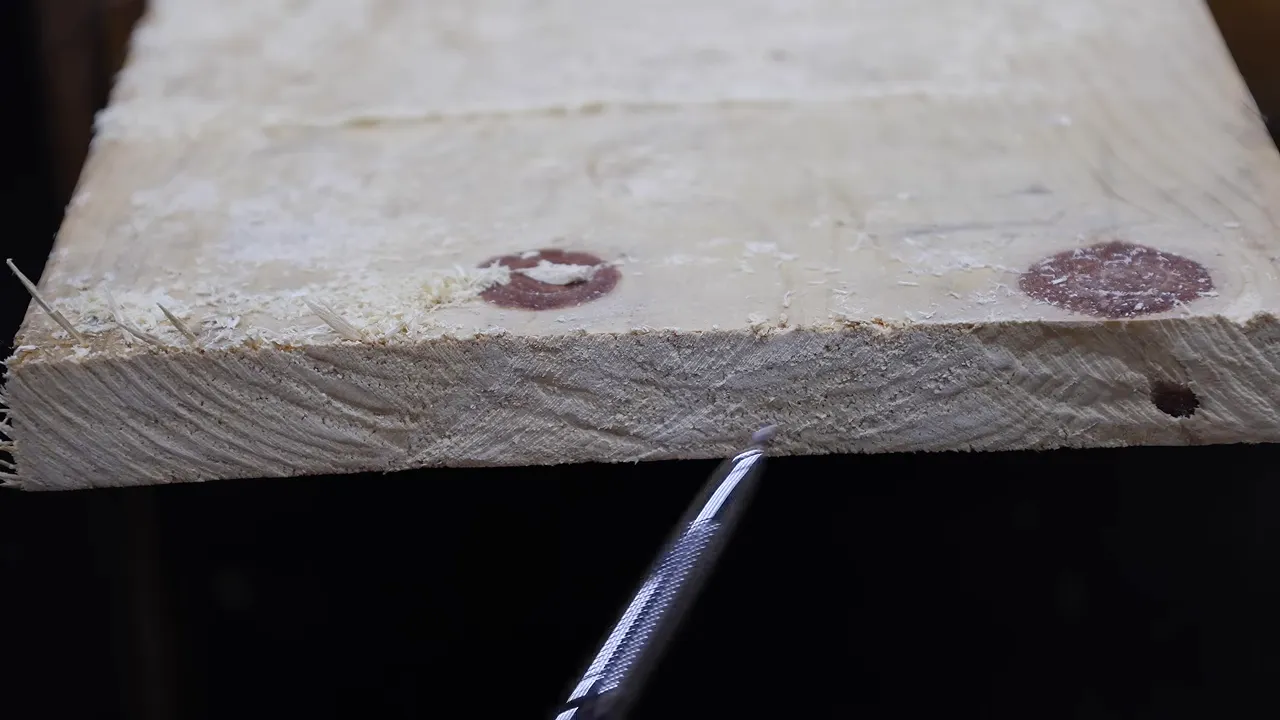
A dedicated circular saw finished the comparison cut in about 1.4 seconds and left a smooth, straight edge. That is a very large difference in both speed and quality.
Verdict: definitely not recommended. The poor cut quality is enough reason to pass, even before considering the guard and blade-centering problems.
$11 Reciprocating Saw Attachment: The Plastic Gears Did Not Survive
For $11, this reciprocating saw attachment includes three blades and some very ambitious claims about material quality. I started with its supplied wood-cutting blade on a 2-by-4.
The drill was on its highest speed setting, but the attachment has a very short stroke. That makes it difficult for wood chips to clear. Then the blade fell out after only 11 seconds. I reinstalled it, made a little more progress, and it fell out again.
On the third attempt, the attachment finally completed the cut. Total time was about one minute and four seconds.
- Drill attachment: approximately 64 seconds, with two blade-retention failures.
- Full-size reciprocating saw: 3.75 seconds on the first cut and 3.6 seconds on the second.
Metal cutting went even worse. The attachment struggled to cut a piece of threaded rod. After about two minutes and 20 seconds, it locked up and activated the drill’s clutch.
A full-size reciprocating saw, using an already-used metal-cutting blade, finished the same type of task in only 6.8 seconds.
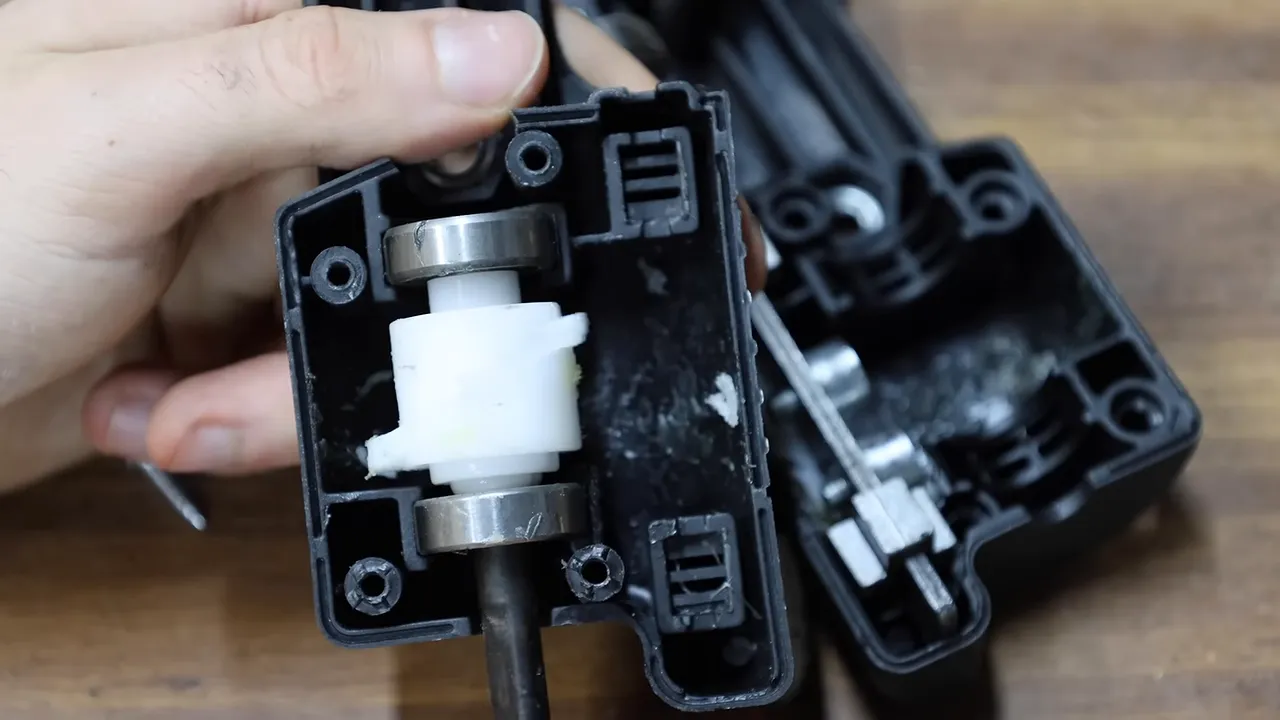
Opening the attachment explained the failure. Its internal plastic gear set had broken into pieces. This is another attachment I cannot recommend.
$18 Chainsaw Attachment: Surprisingly Good for Very Light Cleanup
After those two saw attachments, expectations were not exactly high. However, the $18 chainsaw attachment with a 6-inch bar performed much better.
On a 2-by-4, it completed three cuts in 4.38, 3.5, and 3.34 seconds. Not bad at all for an attachment costing less than $20.
I compared it with a $170 compact Stihl saw and a larger compact Makita chainsaw:
- Drill-powered chainsaw attachment: 4.38, 3.5, and 3.34 seconds.
- Compact Stihl: 6.4, 5.15, and 4.79 seconds. I pushed too hard and stalled it during the first cut.
- Compact Makita: about 1.3 seconds on each of the first two cuts and 2.5 seconds on the third, which included a stall.
The Makita comparison was a little unfair to the inexpensive attachment, but it showed how much faster a more capable dedicated saw can be.
Next came Osage orange, a very hard wood. The chainsaw attachment completed the cut in just over 11 seconds. The compact Stihl took just under 18 seconds, roughly six to seven seconds longer.
Verdict: a pretty good deal for very light-duty cleanup. Those results do not establish long-term durability or make it a replacement for a larger chainsaw, but its cutting performance was much better than expected.
Pipe-Cutting and Metal-Shear Attachments That Earned Their Keep
$95 DeWalt Impact Connect PVC and PEX Cutter
The DeWalt PVC and PEX cutter was the most expensive attachment tested, but it also delivered some of the most convincing results.
DeWalt advertises cuts up to six times faster and 100 times less cutting effort than a manual cutter. Its listed capacity includes up to 2-inch Schedule 40 and Schedule 80 PVC, along with CPVC, ABS, and PEX. Those speed and effort multipliers are manufacturer claims, not measurements I independently verified.
I tested progressively larger PVC pipe:
- 3/4-inch PVC: about two seconds, with a smooth, straight cut.
- The next larger pipe: about three seconds without rushing.
- A still larger pipe: under two seconds.
- Pipe near the cutter’s maximum rated size: just under two seconds.
The largest pipe began flattening at the start of the cut, but the completed edge still looked smooth and straight.
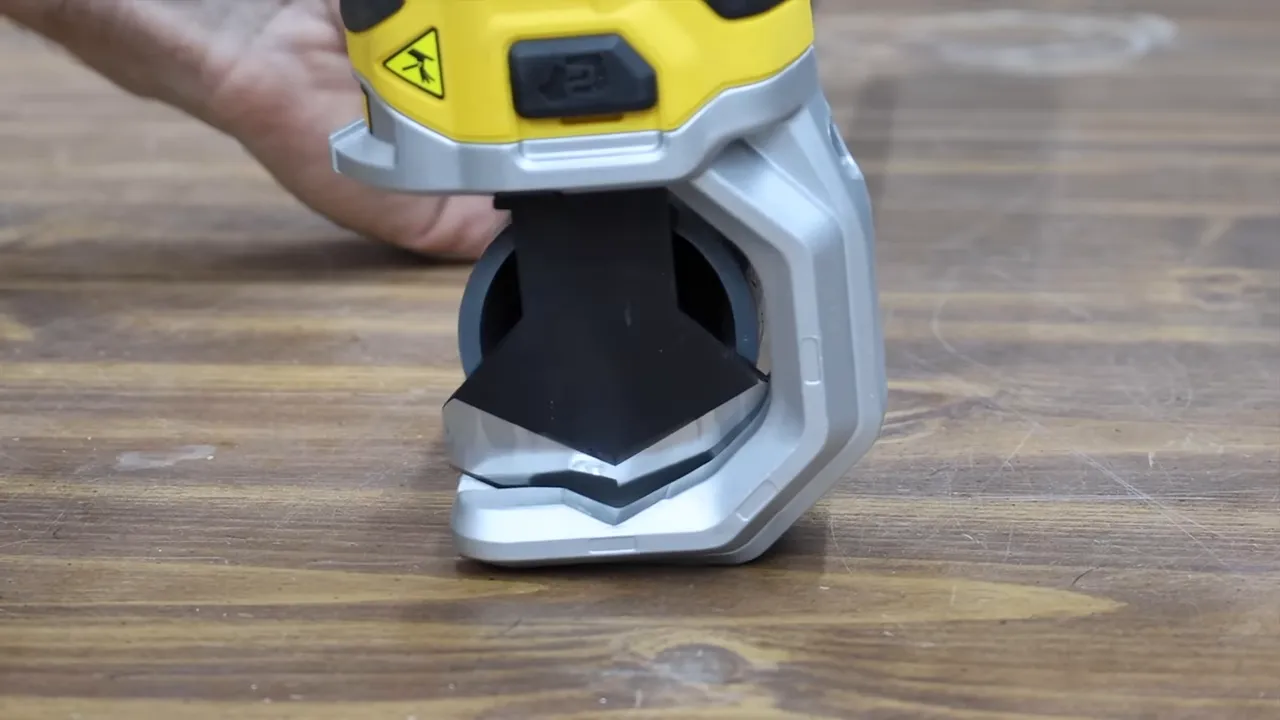
Verdict: definitely an attachment I would buy. It made quick, clean cuts across the tested sizes and seemed well worth the money.
$55 DeWalt Copper Pipe Cutter
The copper pipe cutter also made a strong impression. DeWalt claims four times faster cutting and dramatically reduced effort compared with a manual cutter. It lists up to a 1-inch cutting capacity, with 1/2-inch and 3/4-inch cutting wheels included.
This attachment worked with my Milwaukee, DeWalt, and Makita cordless impact drivers. That is worth noting: although these products are often grouped together as drill attachments, some are designed around an impact driver and a support bracket.
The tested copper cut took less than three seconds. The pipe end was straight and smooth, and a microscope inspection confirmed the good finish. There was a small burr on the inside, which gave me a good reason to test the deburring attachment later.
Verdict: a definite thumbs-up.
$56 DeWalt Metal Shear
The DeWalt metal shear works with a drill or an impact driver and is rated for material up to 18 gauge. Advertised applications include sheet metal, corrugated metal, ductwork, asphalt shingles, steel mesh, vinyl siding, and wire.
I began with aluminum flashing. The shears were sharp and made very easy work of it. That material was not much of a challenge, so I moved to 18-gauge steel.
Progress was slower on steel, but the attachment kept cutting steadily and held up just fine. I also compared it with a battery-powered electric shear tested previously. Both managed the material, but the DeWalt attachment paired with the Milwaukee drill seemed to offer more cutting power.
Verdict: a good value at under $60 if you need metal-cutting shears and already own a compatible power tool.
Outdoor and Storage Attachments: Two Winners and One to Avoid
$17 Vegetation Cutter: The Most Dangerous Attachment in the Test
This long-shaft vegetation cutter is advertised for weeds, dry grass, and light clearing. It arrived without instructions. Its exposed, curved blades looked sketchy before the testing even began.
The design also creates a serious concern: if the cutter catches something and rebounds, the blades can move toward the operator’s ankles, legs, or knees.
During the first test, the entire cutting attachment came loose and fell off the shaft. After reattaching it, I tried again. The blades were extremely sharp, but also very thin, raising concerns about bending or breaking if they hit something substantial.
It made some progress on a small sapling, but I stopped when the blades loosened and one fastener went missing.
Verdict: absolutely not recommended. This was the most dangerous attachment I have tested. A low purchase price does not come close to justifying that risk.
$20 Strap Winder: Simple, Practical, and Effective
The strap winder is about as straightforward as a drill attachment gets. It looks well built, and someone with scrap metal, basic tools, and a welder could probably make something similar.
Although intended for wider straps, I first tried it on about 75 feet of narrow rope. It gathered the rope very well. A larger strap was just as easy, and winding it was much faster and easier than doing the job manually.
The final test used a strap about 4 inches wide and 30 feet long. Once again, the winder did a terrific job.
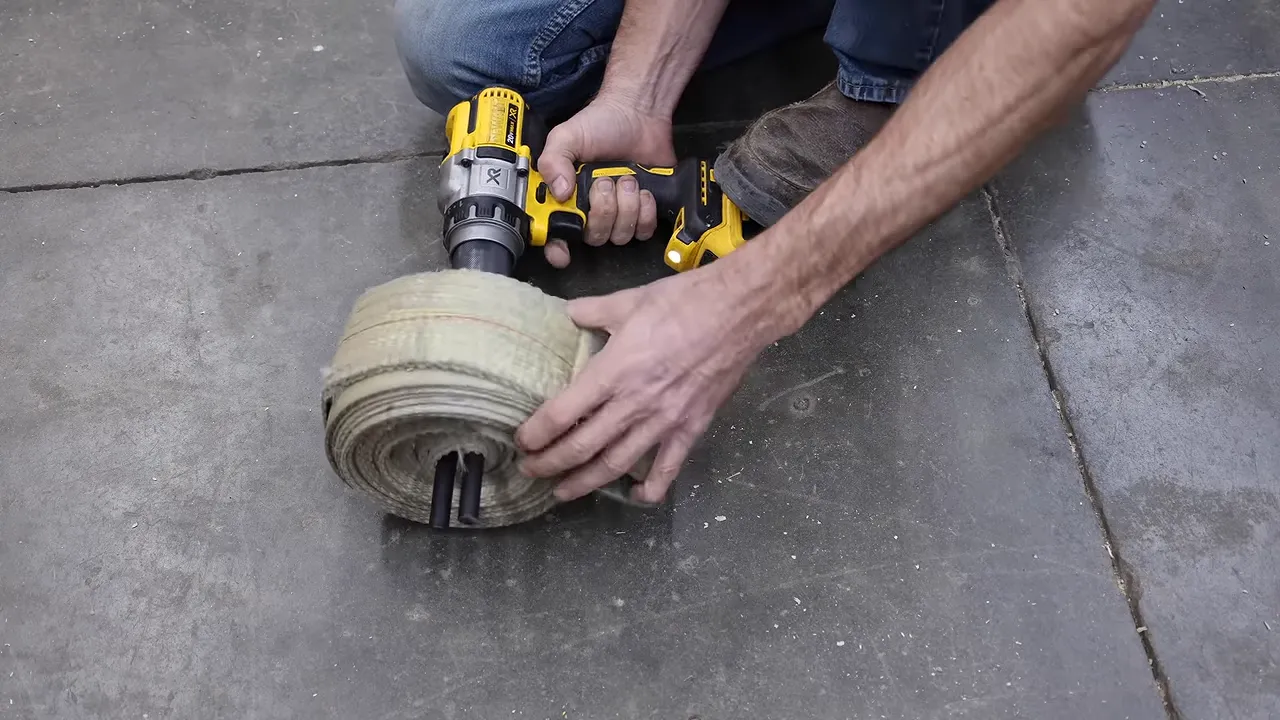
Verdict: two thumbs up. This is a simple attachment that solves a real problem without making the job more complicated.
$20 Auger Set: Better Than Expected, but Drill Choice Matters
This two-piece auger set includes a 3.5-inch-by-16-inch auger and a smaller 1.6-inch-by-16.5-inch auger. The listed minimum drill size is 3/8 inch. The manufacturer advertises applications such as holes for posts, umbrella stands, and bird feeders, along with digging speeds up to ten times faster than manual tools.
I did not verify that ten-times claim, but both augers performed well in the soft ground used for testing.
The smaller auger dug effectively. As it went deeper, I needed to lift it to clear soil accumulating around the flutes. The larger auger did a better job of lifting dirt out on its own and worked quite a bit better than expected.
My recommendation is to use these only with a drill that has low transmission speed, a clutch, and a side handle. A side handle is especially important for controlling the drill and reducing the risk of a hand injury.
Verdict: a useful set that seemed worth $20. The result applies to the tested ground conditions, not every possible soil type or obstruction.
Fastening and Tight-Space Adapters: Look Beyond the First Successful Attempt
$15 Rivet Gun Adapter: Fast Installation, Frustrating Mandrel Removal
The rivet adapter includes four nosepiece sizes: 2.4, 3.2, 4, and 4.8 millimeters. Rivets are not included. The sales pitch is reduced effort compared with manual riveting and greater convenience than a pneumatic tool.
A manual rivet gun installed the comparison rivet in just under four seconds without rushing.
Before using the powered adapter, I lubricated it generously because reports of stuck mandrels were a concern. It installed a rivet in about 1.5 seconds. Very quick. Unfortunately, the spent mandrel would not come out, and I had to disassemble the attachment.
The next installation was also fast, but mandrel ejection remained a problem. I had to use pliers to extract the broken pin.
Verdict: not recommended. Installing a rivet quickly does not save much time if removing the mandrel becomes a separate repair job.
$9 Universal Socket: Gimmicky Looking, Surprisingly Tough
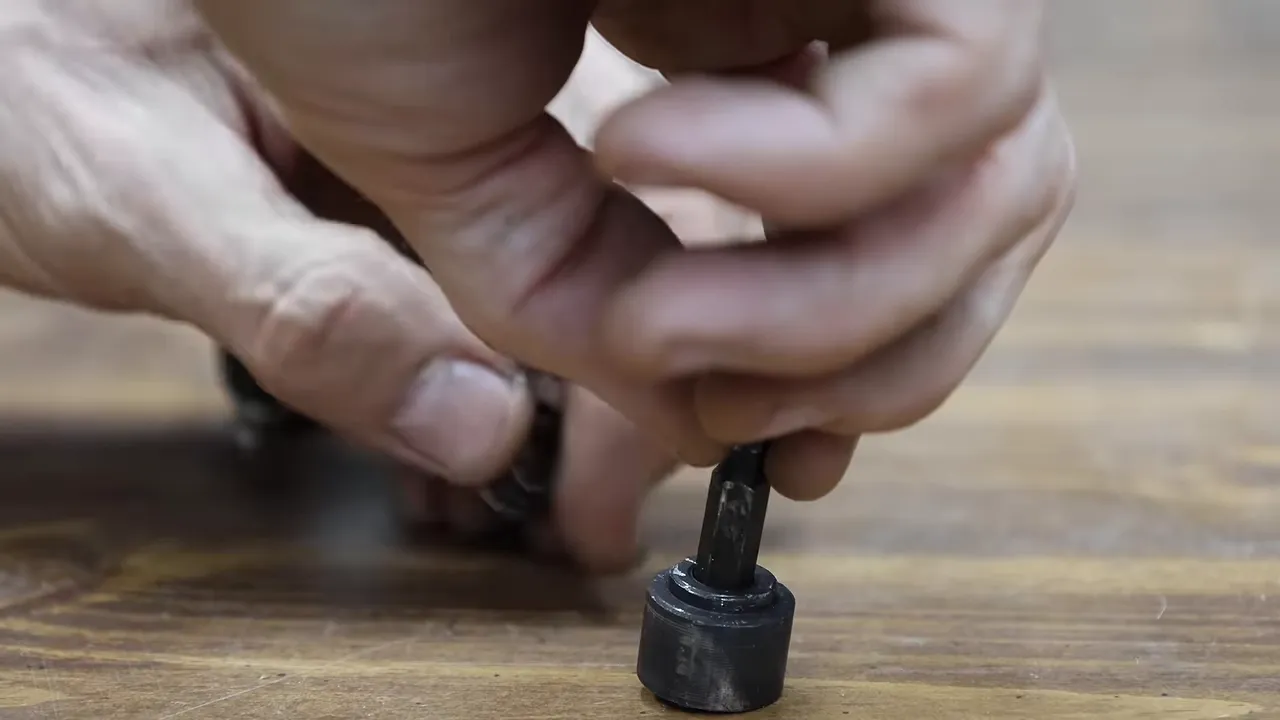
The universal socket uses a bundle of movable pins to fit different fastener heads. It looks like a gimmick, so I tested it by driving and removing progressively larger lag bolts while measuring torque.
- First lag bolt: the socket gripped quickly and handled 77 inch-pounds.
- Larger lag bolt: it survived 145 inch-pounds despite some snapping and popping sounds.
- Largest test: after changing the torque-measurement setup, it handled 533 inch-pounds.
One socket-drive adapter failed during the higher-load testing. That was separate from the universal socket itself. The socket developed a couple of stuck pins but remained usable.
I then drove four different lag-bolt sizes again. The pins looked somewhat beaten up afterward, but the socket was still in decent condition.
Verdict: it held up surprisingly well. I would not take that as proof that one universal socket replaces a complete socket set, but this inexpensive example did considerably better than its appearance suggested.
$14 Flexible Extension and Right-Angle Adapter: One Useful Piece, One Failure
This kit includes an 11.5-inch flexible shaft and a right-angle adapter, both intended to improve access in tight spaces.
The flexible shaft successfully drove a lag bolt as long as I supported it to keep it from trying to coil up. For a difficult-to-reach fastener, that flexibility could be useful.
The right-angle adapter was a different story. Its build quality looked poor, and it locked up after driving the lag bolt most of the way.
A teardown revealed catastrophic gear damage. The flexible shaft was decent; the included right-angle adapter was not.
Deburring, Rust Removal, and Sanding Attachments
$19 Internal Deburring Tool: Good Results Across Several Materials
The internal deburring tool is listed for sizes from 1/8 inch to 3/4 inch, or approximately 3 to 19 millimeters. Its advertised materials include steel, iron, stainless steel, copper, aluminum, and hard plastic tubing.
I began with the small inner burr left by the copper pipe cutter. The tool removed it very well.
Next came PVC and steel pipe. It quickly removed the PVC’s sharp inner edge and also cut the harder steel effectively. I deliberately removed more material than necessary to put some additional work on the tool, and it continued to perform well.
For a much tougher challenge, I tried it on a previously drilled hole in AR500 armor plate. It successfully softened the sharp edge, and microscope inspection showed a clean result. However, that hard plate caused visible wear on the cutting tool.
Verdict: good performance for less than $20. It handled the ordinary pipe work well, while the AR500 test showed that pushing into very hard material comes with a durability cost.
$17 External Chamfer Tool: A Good Companion for Cut Pipe and Bolts
The external chamfer tool covers the same advertised 1/8-inch to 3/4-inch size range and uses claimed tungsten carbide cutting blades. Instead of working inside a pipe or hole, it removes material around the outside edge.
It quickly chamfered the end of a steel pipe and continued cutting well when I asked it to remove more material. I then used it on the threaded rod cut during the reciprocating saw comparison. Once again, it removed the sharp edges effectively.
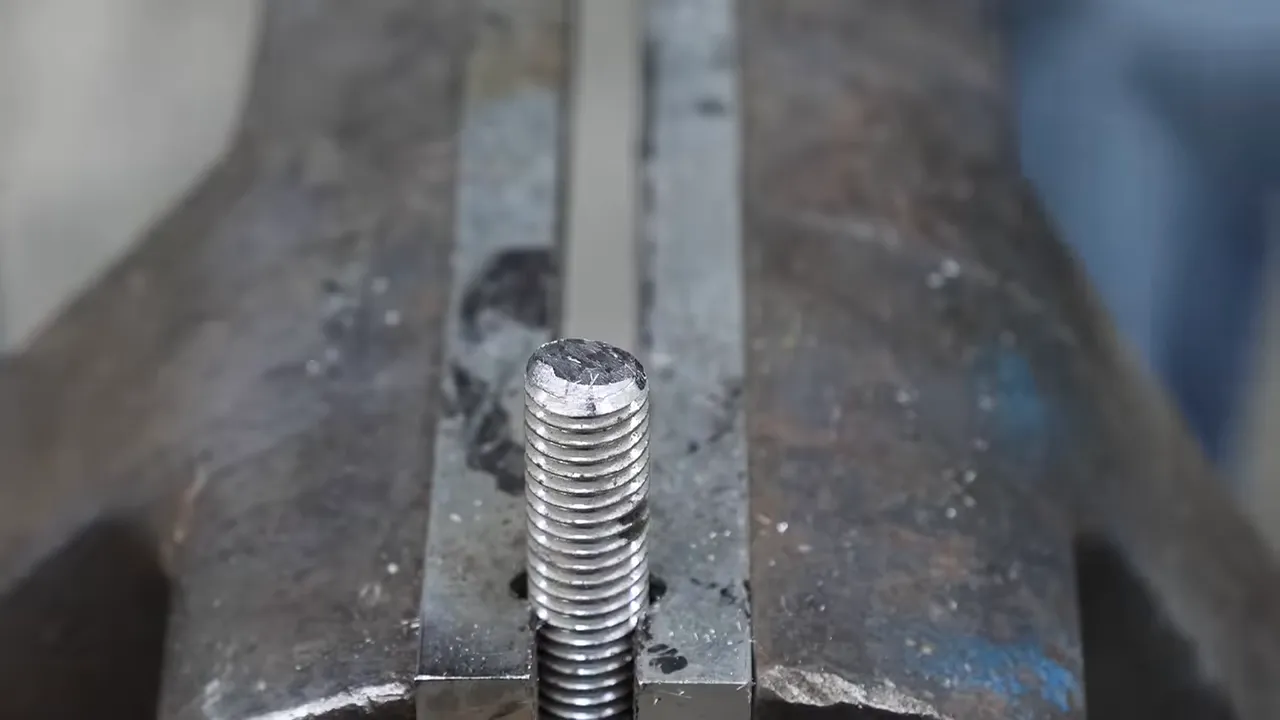
Under the microscope, the carbide remained in place and appeared to be in good condition.
Verdict: worth its sub-$20 price. The internal and external deburring tools perform different jobs, and both proved useful.
$10 Wire Brush Set: Good Rust Removal on a Budget
The ten-piece wire brush set includes three 1-inch pin brushes, three 2-inch wheel brushes, and four 2-inch cup brushes. The advertised maximum speed is 4,500 RPM.
Both the cup and wheel brushes removed rust effectively from steel. They also did a good job cleaning badly rusted bolt threads.
There is an important distinction here: removing surface rust does not remove the pitting underneath. That requires a more aggressive abrasive, such as a flap disc.
The brushes held together during testing, with no observed breakup. These are not premium brushes, but they performed well for a $10 set.
$10 Drum Sander: Useful Shaping and Edge Cleanup
The drum sander costs about $10, but the abrasive sleeves were a separate purchase costing another $10. That puts the tested setup at roughly $20 before any shipping or tax.
It reshaped the edge of a board effectively. It was not nearly as fast as an angle grinder, but it did a good job.
On a steel plate, the drum removed a sharp edge in about 16 seconds.
Verdict: a useful, inexpensive attachment for shaping and edge cleanup. Just remember to include the abrasives when comparing the total price.
Pumping and Cleaning: Cheap Attachments With Practical Uses
$14 Water Transfer Pump: Replace the Suction Hose
The water pump kit includes a side handle and two very light-duty rubber hoses. Those hoses immediately became the weak point.
During the first attempt to move about three gallons of water, the suction hose collapsed. The pump could not transfer the water properly.
I replaced the suction-side hose with a better one, and the pump worked much better. It moved the water in about 34 seconds.
For comparison, a dedicated 1/10-horsepower transfer pump rated at 330 gallons per hour took just under 40 seconds in this setup. The drill attachment was actually a little faster in that particular test.
Verdict: the pump did a decent job, but the included hoses were disappointing. Its useful performance depended on replacing the suction hose, so the $14 kit price does not tell the whole story.
$9 Drill Brush Set: Much Easier Than Scrubbing by Hand
The nylon drill brush kit is advertised for a long list of cleaning jobs, including tubs, grout, tile, upholstery, carpet, and bathroom surfaces. The manufacturer also claims the brushes will not scratch surfaces, although my test did not verify that claim across all those materials.
I used the scrubber on the front tire of my old farm truck. That tire had plenty of dirt to work with, and I do not think it had ever received a proper cleaning.
In about 25 seconds, the brush cleaned a substantial section of the sidewall. It attacked the dirt well and seemed like a much better option than doing the same work with a hand scrubber.
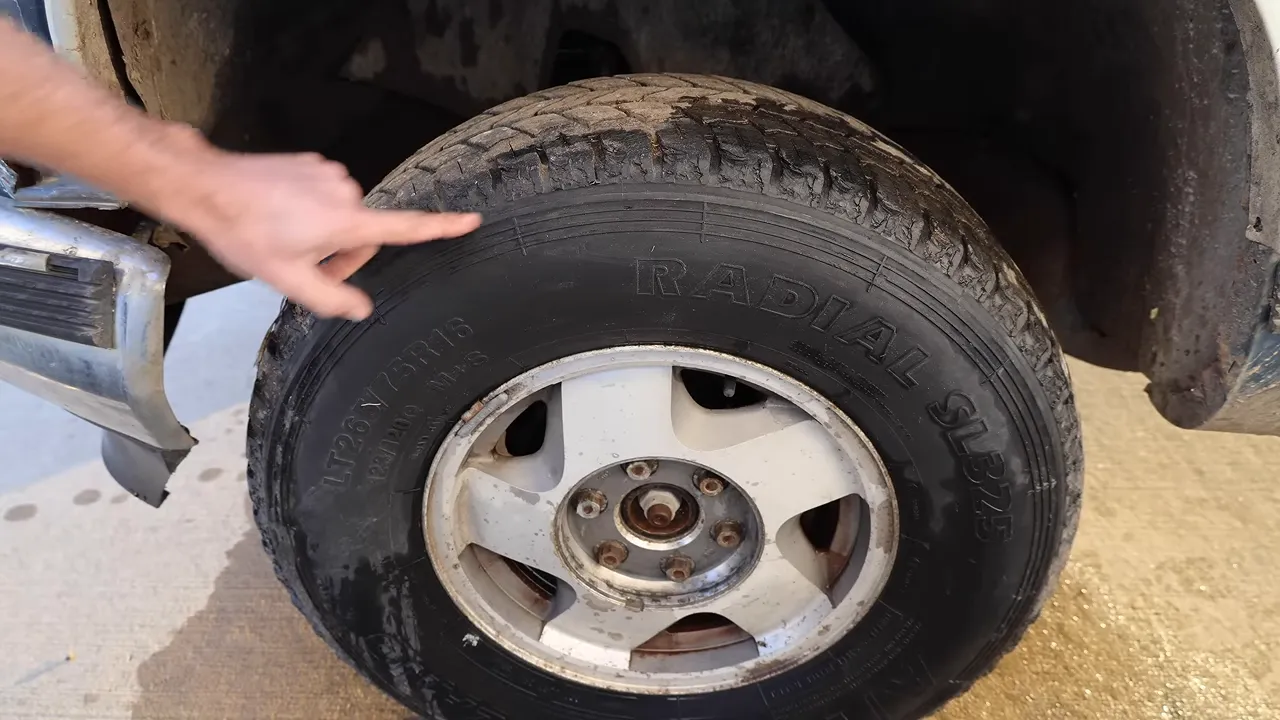
Verdict: well worth about $10 for the tire-cleaning task tested.
Which Drill Attachments Would I Actually Keep?
The best attachments in this comparison did a specific job well. The pipe cutters made fast, clean cuts. The strap winder simplified an annoying chore. The deburring tools removed sharp edges effectively, and the inexpensive brushes delivered useful cleaning performance.
- Strong performers: DeWalt PVC and PEX cutter, DeWalt copper pipe cutter, DeWalt metal shear, strap winder, auger set, and both deburring tools.
- Useful budget options: wire brushes, drum sander, and nylon cleaning brushes.
- Useful with limitations: chainsaw attachment for very light cleanup, universal socket with some pin damage, flexible shaft when supported, and water pump with a better suction hose.
- Attachments I would avoid: vegetation cutter, circular saw, reciprocating saw, rivet adapter, and the tested right-angle adapter.
Compatibility and control matter just as much as price. Check whether an attachment needs a drill or an impact driver, a support bracket, a particular speed range, or a side handle. For general background, OSHA’s hand and power tool guidance is a useful safety reference.
Can a drill replace a collection of dedicated tools? For some occasional jobs, absolutely. But the attachment has to earn that role. A cutter that loses its hardware, a saw that destroys its gears, or a rivet tool that constantly jams is not a bargain. The simple, well-built attachments were the ones that made the strongest case for saving money.


